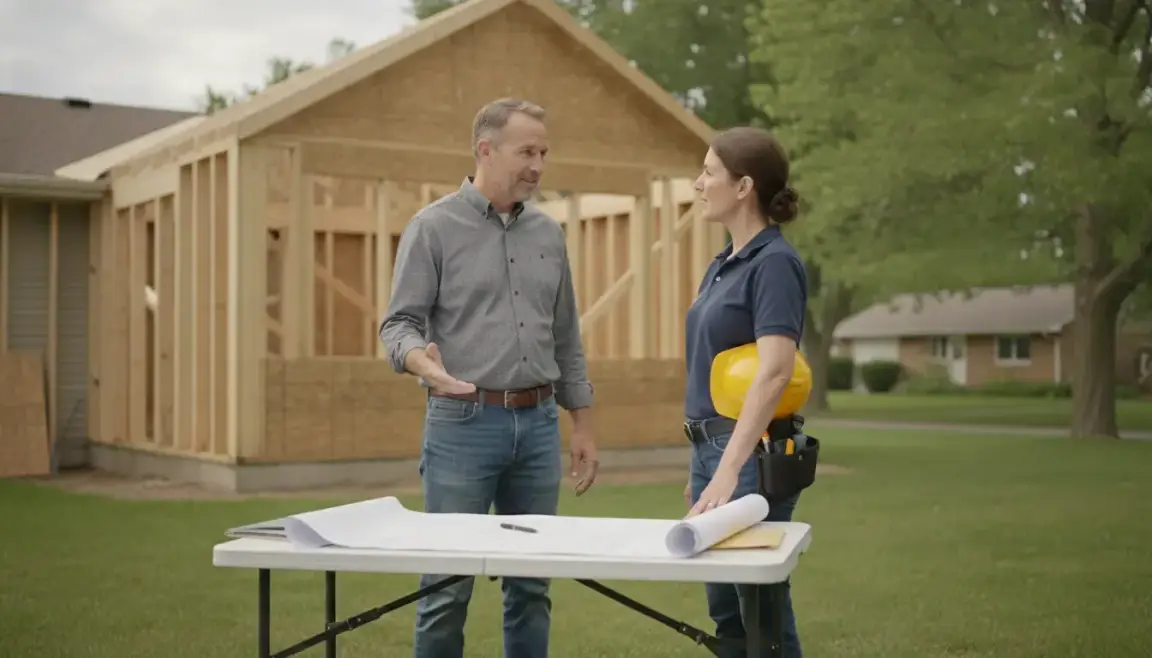

Selling a house with unpermitted work in Michigan does not automatically make a sale impossible, but it does create questions about records, disclosure, repairs, financing, and title. For broader context, start with M1 Home Buyers’ guide to selling problem properties for cash in Michigan, then identify what work was done, which permits may have been required, and what the local building department has on file. Compare repair, traditional listing, and as-is sale options before choosing a path.
What Counts as Unpermitted Work in Michigan Real Estate?
Unpermitted work generally means construction, an addition, an alteration, or certain repairs were completed without a permit that the applicable enforcing agency required. It can also describe work where a permit was issued but inspections or final approval were never completed. The exact answer depends on the project, the property, and the responsible local or state agency.
Michigan’s Department of Licensing and Regulatory Affairs says the Michigan Building Code covers construction, alteration, addition, repair, removal, use, occupancy, and maintenance of buildings and their service equipment. LARA also explains that a permit is generally required before construction of a building or structure, while ordinary repairs may be exempt in limited circumstances.
That means a homeowner should not assume every improvement needed a permit, and should not assume a project was exempt simply because it was called a repair. Cutting structural members, changing required exits, or altering plumbing, electrical, mechanical, or other work affecting public health or safety can fall outside the ordinary-repair exception. The local enforcing agency can determine what applies.
Common examples that deserve a records check include:
- A finished basement, bedroom, or living area added without a permit.
- A room addition, enclosed porch, garage conversion, or detached structure.
- Structural changes, moved walls, new windows, or altered exits.
- Electrical, plumbing, heating, or mechanical work with no permit record.
- A permit that was opened but never inspected, finalized, or closed.
For the state-level starting point, review Michigan LARA’s building permit information. The agency notes that jurisdiction can be state, county, or local, so the property address matters.
How Do You Check for Unpermitted Work Before Selling?
The most reliable way to investigate suspected unpermitted work is to compare the home’s physical condition with permit and inspection records held by the applicable enforcing agency. A contractor, title professional, or real estate attorney may help interpret the results, but the building department is the place to confirm permit status and local requirements.
- List every project. Walk through the house and note additions, finished areas, structural changes, major system work, and exterior structures. Include work completed before you owned the property if you know about it.
- Gather your paperwork. Look for permits, inspection cards, contractor invoices, plans, receipts, photographs, certificates, and prior seller disclosures. Do not discard documents that show work was completed.
- Contact the right enforcing agency. Ask the city, village, township, county, or state office that handles the property’s building, electrical, mechanical, and plumbing permits. Michigan’s Statewide Jurisdiction List can help identify the responsible level of government.
- Request the current record. Ask about open, expired, unfinalized, or missing permits, required inspections, correction notices, fees, and the process for closing an old permit.
- Ask what happens next. The agency may explain whether plans, inspections, testing, corrections, or a retroactive permit application are available. Procedures and fees can differ by municipality.
Keep the response in writing when possible. A short email or record request can help you show a buyer, title company, lender, or cash buyer exactly what you learned instead of relying on an old memory.
Do You Have to Disclose Unpermitted Work When Selling in Michigan?
For covered residential transfers, Michigan’s Seller Disclosure Act requires a seller’s disclosure statement about known property conditions. The statutory form specifically asks whether there have been structural modifications, alterations, or repairs made without necessary permits or licensed contractors. A seller should answer based on actual knowledge, explain a yes answer, and use the form’s allowed unknown or not-available responses only when they are accurate.
The Michigan Legislature’s Section 565.957 explains that the form is a disclosure of information known by the seller, not a warranty or substitute for an inspection. It also instructs sellers to answer all questions, report known conditions, and attach signed additional pages when more space is needed.
Do not hide known work because it seems minor, old, or unlikely to be discovered. Do not guess that work was permitted because a prior owner said it was. Instead, describe what you know, identify what you do not know, and attach supporting records. The law includes exceptions and other requirements, so confirm how it applies to your transaction with a Michigan real estate attorney or another qualified professional.
| What you know | Practical recordkeeping step | What to avoid |
|---|---|---|
| Permit was never requested | State the project and ask the enforcing agency about available correction or permit options. | Claiming the work was approved. |
| Permit exists but final inspection is missing | Request the permit history and ask whether an inspection or closeout is still available. | Calling the permit fully closed without confirmation. |
| You only suspect a permit problem | Mark only what you actually know, then investigate the record. | Making an unsupported accusation about a contractor or prior owner. |
Why Can Unpermitted Work Make a Traditional Sale Harder?
Unpermitted work can make a traditional sale harder because buyers, appraisers, lenders, inspectors, title professionals, and municipalities may each focus on a different risk. The issue may affect how finished space is described, whether the work can be valued, what repairs are required, and how quickly a buyer can obtain financing. The outcome depends on the specific work and the buyer’s requirements.
A conventional buyer may ask for permits, inspections, corrections, price concessions, or a written explanation. A lender may require its own appraisal or underwriting review. A title company may want to understand whether an unresolved permit, municipal claim, or lien affects closing. None of those possibilities means the house cannot be sold, but each can add time and uncertainty.
Before spending money on a large renovation, compare the likely benefit with the cost and timeline. Ask:
- Will the municipality require the work to be opened, inspected, corrected, or removed?
- Can a licensed contractor or engineer document the condition safely?
- Will the repair create new work that also requires a permit?
- Could the work be completed before a buyer’s inspection and lender deadlines?
- Would an as-is buyer evaluate the property without requiring you to complete the work first?
For broader context on municipal notices and property problems, see M1 Home Buyers’ guide to selling a house with code violations in Michigan. Unpermitted work and a code violation can overlap, but they are not the same record or legal issue.
Should You Repair Unpermitted Work Before Listing?
Repairing or legalizing unpermitted work before listing can make sense when the project is clearly defined, the local process is manageable, and the expected improvement in marketability justifies the cost. It may not make sense when the work is extensive, records are unclear, the property has other major problems, or you need to sell quickly. Get the municipality’s requirements before hiring anyone.
Potential advantages of addressing the issue first include cleaner documentation, fewer buyer objections, and a more predictable inspection process. Potential disadvantages include permit fees, professional plans, demolition to expose hidden work, correction costs, and delays. A contractor’s estimate alone may not capture every requirement from the enforcing agency.
If you choose this route, keep a file containing the permit application, approved plans, inspection results, receipts, photos, and final sign-off. Ask who is responsible for scheduling inspections and confirming that the permit is closed. Then update your disclosure if the property’s condition or permit status changes before closing.
Can You Sell a Michigan House With Unpermitted Work As-Is?
Yes, a Michigan homeowner may have an as-is sale option even when a property has unpermitted work, but the buyer still needs enough information to evaluate the condition and complete the transaction. An as-is agreement does not erase known disclosure duties, permit records, title questions, or safety concerns. It means the parties negotiate the property’s condition and responsibilities rather than requiring the seller to make every repair first.
With a traditional listing, you may reach a larger pool but face inspections, lender requirements, requests for repairs, and longer negotiations. With a direct cash buyer, you may be able to discuss the property in its current condition and avoid paying for repairs, staging, or repeated showings. A buyer may still review ownership, liens, municipal records, and the scope of the unpermitted work before making a decision.
Be cautious of any buyer who tells you to conceal the work, skip required disclosures, or sign a document you do not understand. Ask for the offer in writing, confirm the closing timeline, understand who pays which costs, and use an independent professional for legal or title questions.
How Does M1 Home Buyers Evaluate a Property With Permit Questions?
M1 Home Buyers is a small local business serving homeowners in Metro Detroit and Michigan. The team can review the property’s condition, known permit questions, timeline, and selling goals before discussing an offer. A conversation is not a substitute for legal or municipal advice, and an offer is not guaranteed, but it can give you another option to compare with repairing or listing the property.
M1’s process is designed for homeowners who want to avoid making repairs before a sale. You can share what you know about the addition, remodel, permit, or inspection history, arrange a walkthrough, and discuss a cash offer for the property as-is. M1 states that it can often provide an offer within 24 to 48 hours after a walkthrough, with a closing timeline that can be arranged around the seller’s needs.
For an overview of the broader strategy for difficult properties, read M1’s guide to selling problem properties for cash in Michigan. For the basic steps, review how M1 Home Buyers buys houses.
Frequently Asked Questions About Unpermitted Work in Michigan
Can I sell a house with an unpermitted addition in Michigan?
You may be able to sell a house with an unpermitted addition, but first confirm the permit history, disclose known information, and ask the applicable enforcing agency what options exist. Buyers and lenders may request inspections, corrections, price changes, or additional documentation.
Do I have to tell a buyer about work I did without a permit?
For covered transactions, Michigan’s seller disclosure form asks about structural modifications, alterations, or repairs made without necessary permits or licensed contractors. Disclose what you know accurately and get legal advice if you are unsure how the law applies to your situation.
Can a buyer get a mortgage on a house with unpermitted work?
Possibly, but the buyer’s lender, appraiser, inspector, title company, and the work itself can affect the decision. Some buyers may require permits, inspections, corrections, or documentation before closing. A direct cash sale may have a different review process, but it still requires honest information and clear ownership.
Should I get a retroactive permit before selling?
There is no single answer for every Michigan property. Ask the local enforcing agency whether a retroactive permit, inspection, correction, or removal is available, then compare the cost and timeline with other sale options. A licensed contractor or attorney may help you evaluate the response.
Does selling as-is remove the permit problem?
No. An as-is sale can change who negotiates repairs and how the price is set, but it does not automatically erase known disclosure duties, municipal records, liens, title issues, or safety concerns. Put the property’s condition and the parties’ responsibilities in writing.
This article is for general educational information, not legal, code, title, tax, or financial advice. Michigan requirements can vary by municipality and transaction. Confirm current requirements with the applicable building department and a qualified professional before signing a contract.