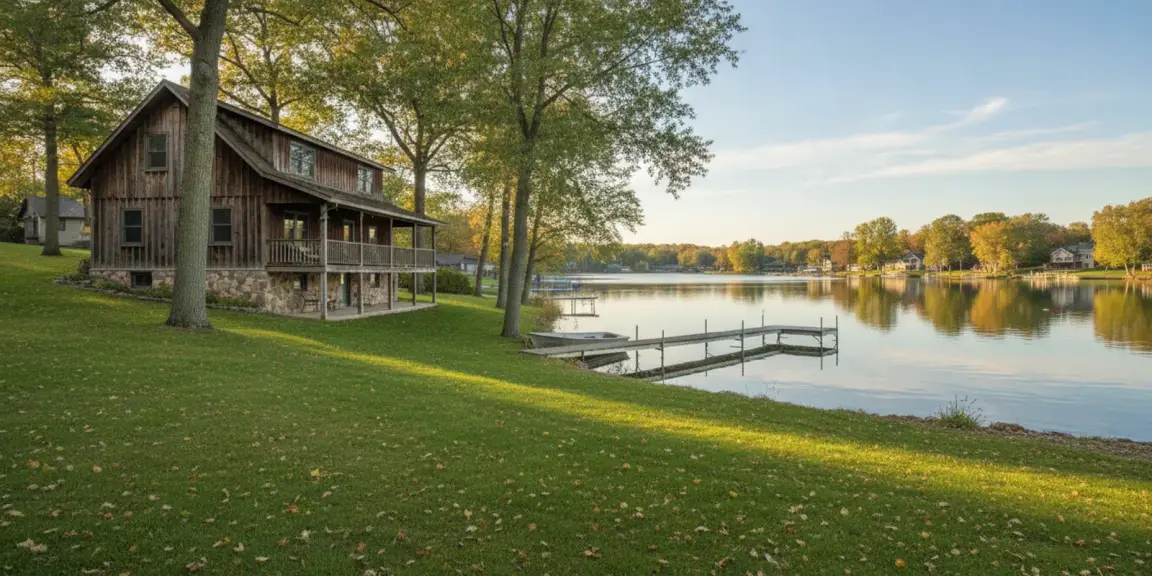

If you need to sell lake house fast Michigan owners can compare a traditional listing, a short preparation period, and an as-is sale. A waterfront property may involve more than the house itself: access, dock or shoreline structures, utilities, seasonal use, and maintenance can all affect what a buyer needs to understand. Start by deciding what matters most—timing, preparation, convenience, or the possibility of reaching a wider pool of buyers—and gather the facts you already have.
Discuss your lake house options — call (248) 970-1051
This guide is for homeowners considering a sale in Metro Detroit and nearby communities in Oakland, Wayne, and Macomb counties. M1 Home Buyers buys homes directly from homeowners in those counties; it is not a statewide buying service. For homeowners only, not for wholesalers.
What makes selling a lake house different?
A lake house can be a year-round home, a seasonal retreat, or a property used by several family members. A buyer may ask about the house and the parts of the property that make waterfront use possible: a dock, a path to the water, a shared access arrangement, a well or septic system, or winter access. The details vary by parcel, so do not assume that a feature or right transfers with the property simply because it has been used that way.
Time can also matter. You may be managing two homes, preparing to relocate, settling an estate, or trying to avoid months of upkeep. If the property needs repairs, coordinating contractors and opening the house for showings can add work. These concerns do not automatically mean an as-is sale is best. They do mean it helps to compare the effort and timeline of each route before committing.
Begin with the exact property address and parcel information. Note whether it is in Oakland, Wayne, or Macomb County, and whether the house is occupied, vacant, or used seasonally. M1’s service-area information can help you check whether the property is within its local buying area.
Which selling route fits your priorities?
There is no single best method for every waterfront home. A conventional listing may suit an owner who can prepare the property, manage showings, and allow time to find a buyer. Selling as-is may appeal if you prefer not to organize repairs or repeated visits. A direct cash sale is another route to compare, but the convenience and timing should be weighed against the offer and your alternatives.
| Option | Preparation and access | Timing considerations | Questions to ask |
|---|---|---|---|
| Traditional listing | May involve cleaning, repairs, photos, and scheduled showings. Ask how the dock, access, and seasonal features will be presented. | Depends on preparation, buyer interest, negotiations, inspections, and financing. | What work is recommended? How will showings work? Which costs and contingencies should I expect? |
| Prepare, then list | Complete selected work first, such as safe access or deferred maintenance, before marketing. | Preparation adds time up front; completed work may make the property easier for buyers to evaluate. | Which repairs are essential, and which are optional? Can I document completed work? |
| As-is direct cash sale | May avoid listing preparation and repeated showings; share known condition and property details with the buyer. | A direct buyer may offer a shorter process, but confirm the proposed dates, review period, and closing conditions in writing. | How is the offer determined? What deductions or costs apply? What could change the closing date? |
The table is a comparison framework, not a promise of price or timing. Read the written terms carefully. If you want to compare direct sale and listing considerations in more detail, see M1’s investor-versus-listing overview.
What should you gather before discussing an offer?
You do not need to solve every paperwork question before asking about your options. A concise property file helps a buyer understand what is included and lets you identify issues that need professional review. Gather what is available; mark anything you do not know rather than guessing.
- Ownership and parcel details: A recent tax bill, parcel number, deed, or other ownership records can help identify the property and its legal owners. If there are multiple owners or an estate, confirm who has authority to discuss and sign a sale.
- Survey and boundary records: Collect any survey, site plan, or documents showing the lot, easements, shared driveways, or access routes. Do not represent an informal understanding as a recorded right.
- Waterfront and access documents: Find records relating to a dock, boathouse, shoreline structure, shared access, or association rules, if applicable. Note what is privately owned, shared, rented, or maintained by someone else.
- Permits and prior work: Keep permits, approvals, invoices, warranties, or contractor paperwork for renovations and shoreline-related work. If documentation is missing, describe that clearly.
- Utilities and seasonal operation: List the providers and current status of electric, gas, water, sewer or septic, internet, and any well. Explain which systems are shut down or winterized, if you know.
- Insurance and claims: Collect the current policy information and records of prior claims or repairs. Ask your insurer about coverage questions; do not assume a policy covers every structure or water-related risk.
- Known condition concerns: Write down roof, foundation, plumbing, heating, moisture, storm, or dock issues, along with any inspections or repair estimates. You can disclose what you know without diagnosing a problem yourself.
For a sale involving an inherited home, shared ownership, or complicated title, consult an appropriate Michigan real-estate attorney or title professional. A buyer’s conversation is not a substitute for legal advice. M1 also has information about selling an inherited home for owners dealing with an estate property.
How do shoreline, dock, and access questions affect a sale?
Describe the property as it exists; avoid making claims about rights, boundaries, or future use that you have not verified. A dock may be permanent, seasonal, shared, or subject to rules and approvals. A path to the water may cross another parcel, or the property may have access governed by recorded documents or an association. A buyer should be able to distinguish what comes with the home from what is used by permission or arrangement.
Make a short list of questions to resolve or flag:
- Is the waterfront edge part of the parcel, or is access provided through a separate easement or shared area?
- Are there recorded restrictions, association rules, or agreements covering dock use, maintenance, parking, or shared access?
- Do you have permits or approvals for structures or work near the water? If uncertain, identify the agency or professional who can verify requirements.
- Have you noticed shoreline movement, drainage changes, erosion, or storm-related damage? Record observations and dates rather than offering a technical assessment.
- Are any structures, equipment, or furnishings excluded from the sale?
Do not assume that a permit is unnecessary or that an existing structure has approval simply because it has been there for years. Local rules and the facts of a specific parcel matter. For questions about boundaries, permitted work, environmental conditions, or legal access, contact the relevant local authority or a qualified surveyor, attorney, or other specialist. If you have concerns about the home’s overall condition, M1 explains its as-is home sale approach.
Should you repair the house before selling?
Start by separating safety issues from cosmetic projects. A working heat source, secure entry, or active leak may require attention for safety or to prevent additional damage. Fresh paint, landscaping, or a dock upgrade may be optional, especially if you are comparing an as-is sale. Ask for a written scope and cost before authorizing work, and consider whether the likely benefit is worth the added expense and time.
For a property with deferred maintenance, make a simple two-column list: “known issue” and “documents or next step.” For example, if the dock needs repair, note what you observed and locate any estimate or prior invoice. If a seasonal system is off, state that it has not been tested rather than implying that it works. This keeps discussions clear and gives any prospective buyer a fair chance to evaluate the information.
An as-is sale generally means the buyer is considering the property in its current condition; it does not make it wise to hide known problems or skip professional advice. Review the purchase agreement and disclosures with qualified professionals when needed. M1’s page about selling a damaged house describes a related situation.
What should you verify about insurance and utilities?
Call your insurance provider to ask what coverage is currently in force for the house and any separate structures. Confirm whether the home is insured while vacant or used only seasonally, and ask how changes in occupancy or planned work may affect coverage. Policy terms differ, so do not rely on a general article or a buyer’s comments to interpret them.
For utilities, note account status, shutoff dates, and any service limitations. If the property uses a well or septic system, gather available service records and ask the appropriate local health department or qualified provider about inspection requirements for your transaction. If the home is winterized, keep a record of what was shut off and who performed the work. Never restart a system or enter a potentially unsafe structure just to prepare for a showing without appropriate guidance.
How can you compare a cash offer with a listing?
Compare the amount you expect to receive and the obligations attached to each route—not just the headline number. Request written terms that explain the proposed purchase price, any fees or costs, who pays closing expenses, the inspection or review period, earnest money if applicable, and the conditions that could affect closing. Ask what happens if either side needs to change a date.
A listing can expose the property to more prospective buyers, while requiring preparation and access for showings. A direct sale may reduce some of that work, but a lower price may be part of the tradeoff. Consider your net proceeds after expected repairs, carrying costs, transaction costs, and time. Do not rely on a verbal estimate as a final commitment; compare written terms and ask a qualified professional to explain anything unclear.
If you are considering a licensed salesperson to market the home, Michigan law restricts a salesperson from advertising property under the salesperson’s own name unless it is the salesperson’s principal residence. Review the details in Michigan’s statute on real-estate advertising and ask who will be responsible for advertising and the transaction documents. This is one specific rule, not a substitute for legal advice about your sale.
What does an as-is cash sale with M1 involve?
M1 Home Buyers works directly with homeowners in Oakland, Wayne, and Macomb counties. Its company information describes a process that begins with a conversation about the property, followed by a walkthrough and an offer. The business says it can make cash offers within 24–48 hours after a walkthrough and that closing dates can be flexible; actual timing depends on the property, title, agreement, and other transaction details. Ask the team to explain the specific steps and timing for your home.
Before deciding, share the address, your preferred timing, the general condition, and what you know about the shoreline and access. Ask whether the offer includes the dock or other structures, which items may remain, and what costs or contingencies apply. You can review the company’s home-buying process and contact the team with questions. An offer is optional to consider; take the time you need to read the terms and compare alternatives.
Frequently asked questions
Can I sell a Michigan lake house that needs repairs?
Often, a property can be marketed in its current condition, but the available options and buyer interest depend on the home, title, and sale terms. Document known issues, be clear about what has not been inspected, and compare the likely cost and time of repairs with an as-is option.
Do I need to repair or remove a dock before selling?
Not necessarily. First establish who owns the dock, whether it is included, and whether you have relevant permits, agreements, or association rules. Describe its condition accurately and ask a qualified local professional about approvals or safety concerns specific to the property.
Can I sell a seasonal or vacant lake house?
You can explore a sale, but be ready to explain which utilities are active, whether the home is winterized, how access is arranged, and what maintenance has been completed. Confirm insurance coverage with your insurer, especially if occupancy changes.
How quickly can an as-is cash sale close?
Timing depends on the written agreement, title review, ownership documentation, property details, and the parties’ schedules. M1 describes closing in 7–21 days in its company information, but ask for a proposed date and any conditions for your particular transaction before relying on a timeline.
Talk through your options — call (248) 970-1051
What is the next step?
Write down your preferred timing, gather the documents you already have, and list any open questions about access, structures, utilities, insurance, or repairs. Then compare written sale terms against your other options and consult qualified professionals where needed. A clear picture of the property helps you choose a path that fits your priorities.