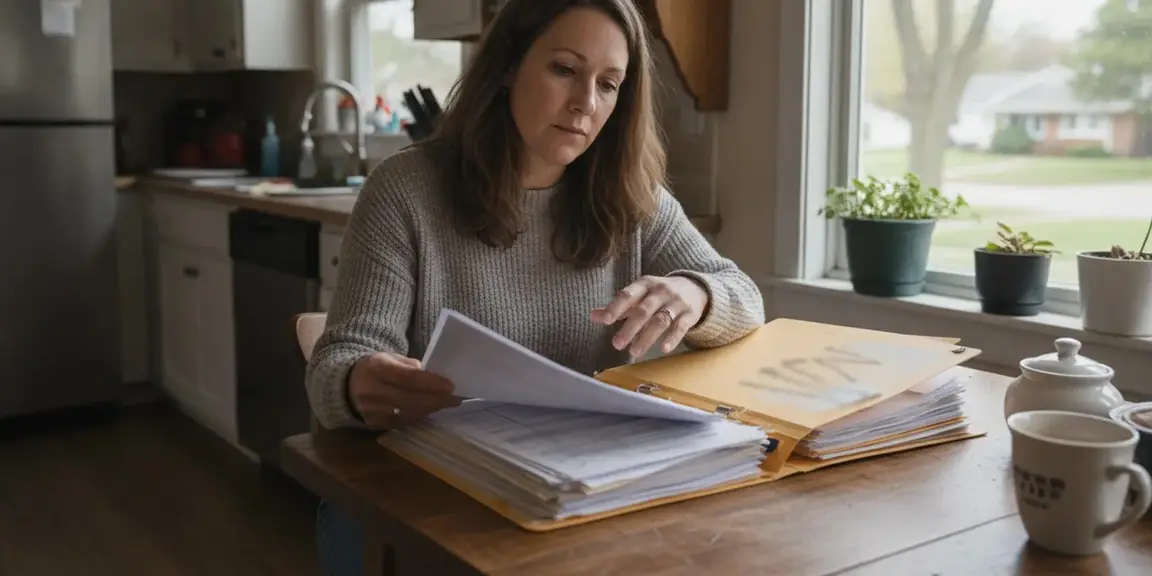

When you are deciding how to sell a house, begin with your priorities rather than choosing a sale method immediately. Your timeline, property condition, likely costs, and willingness to manage showings all affect which route may fit. A simple sequence can help you compare options, organize the work, and avoid preventable delays.

Discuss your selling situation
What should you decide before putting the house up for sale?
Start by writing down what matters most. A homeowner focused on reaching a broad group of buyers may be willing to prepare the house and wait through a marketing period. Someone facing a move date, an inherited property, or a home that needs extensive work may give more weight to a predictable process and fewer preparation tasks. Neither priority is automatically right for everyone; the key is to compare choices against your own needs.
- Timing: When do you need to move, and is that date fixed or flexible?
- Condition: Can you handle cleaning, repairs, staging, or clearing belongings?
- Net proceeds: What costs and mortgage or lien obligations could reduce the amount left after closing?
- Access: Can you accommodate buyer visits, inspections, and follow-up appointments?
- Certainty: How important is it to know the buyer can proceed and the closing date is workable?
Put these in priority order. Then decide which compromises you could accept. For example, a seller might accept more showings in exchange for broader market exposure, while another may prefer fewer visits even if that means considering a different offer structure. A short written list helps keep a discussion focused when different people involved in the sale have different expectations.
What information should you gather before comparing options?
Collect basic records before speaking with an agent or a direct buyer. Find your mortgage statement and lender contact information, recent property tax documents, insurance details, utility information, and records for repairs or upgrades. If the property has an association, locate its contact details, fee information, rules, and any notices about assessments. These records help you answer questions without relying on memory.
Make a separate list of the property’s current condition. Note visible issues such as a roof leak, water intrusion, an older furnace, damaged flooring, or work that was started but not finished. Add what you know about when an issue began and whether anyone has inspected it. This is not a substitute for a professional inspection or a legal disclosure. It is a practical way to keep the facts consistent when you speak with more than one potential buyer.
For a house built before 1978, ask which lead-based paint disclosure requirements may apply and consult official guidance from the U.S. Environmental Protection Agency. Requirements can depend on the property and transaction, so do not assume that a general checklist covers your situation. If the house is inherited, jointly owned, held in a trust, or part of an estate, confirm who has authority to sign and which documents a closing professional may need.
How do you compare the main ways to sell?
A traditional listing and a direct sale can involve different steps, costs, and tradeoffs. A listing typically includes preparing the property, setting a price, marketing it, arranging showings, evaluating offers, and completing buyer due diligence. A direct sale may reduce some marketing and showing work, but you still need to check the buyer, evaluate the written terms, resolve title questions, and coordinate closing. Actual terms vary; treat the table as a discussion guide, not a promise about a particular transaction.
| Factor | Listing with an agent | Direct sale to a buyer |
|---|---|---|
| Preparation | May involve cleaning, repairs, staging, photography, and advice about presentation. | Some buyers consider a home in its current condition; ask what, if anything, you must do. |
| Buyer access | Marketing may bring multiple inquiries and scheduled showings. | Usually involves discussions and property access with a specific buyer. |
| Costs | Consider agent compensation, closing expenses, carrying costs, and preparation. | Confirm the price, closing expenses, and any other charges in the written agreement. |
| Timing | Depends on preparation, buyer interest, negotiations, financing, and closing readiness. | Depends on the buyer’s review, title work, contract terms, and closing readiness. |
| Seller involvement | Includes decisions about listing terms, visits, offers, and negotiations. | May reduce marketing tasks but still requires review, communication, and decisions. |
For either route, compare the complete written terms rather than one headline number. The price does not show how long you may carry the property, which expenses you will pay, or what happens if a condition is not met. M1’s overview of selling to an investor versus listing with an agent can help you frame the questions to ask.
How can you estimate what you may keep?
Build a simple side-by-side estimate before deciding. Start with the proposed sale price for each route. Subtract the mortgage payoff and other liens, expected transaction expenses, preparation or repair spending, and the cost of owning the home through the expected closing date. For a listing, you may also want to account for utilities, insurance, taxes, and upkeep while the property is marketed. For a direct offer, use the actual written terms and confirm which expenses the buyer or seller is responsible for.
Keep estimates separate from confirmed amounts. A current mortgage statement may not show the final payoff through a future date, and repair estimates can change after a contractor sees the work. Mark each line as known, estimated, or still needing confirmation. This prevents a rough assumption from being mistaken for money you will definitely receive.
Here is a simple comparison method without assuming any particular sale price: write down the likely proceeds from each offer, then list expenses underneath. If one route has a higher possible sale price but requires several repairs and a longer period of ownership, show those costs explicitly. If another route has fewer preparation steps, confirm whether its offer and written terms offset the convenience you value. Use the same payoff figure and the same expected move-out needs in both columns so that the comparison is fair.
What should you do if you choose to list?
Ask an agent which preparation is likely to matter to buyers in your market. Prioritize safety, obvious maintenance, and a clean, usable presentation. Avoid starting a large renovation based only on a general suggestion. Ask what work is being recommended, what it may cost, whether it is necessary for listing, and how it could affect likely buyer interest and your net proceeds.
- Remove clutter and personal items so buyers can see how rooms are used.
- Address immediate safety or maintenance concerns where practical.
- Gather receipts, warranties, permits, and records for completed work.
- Agree on showing hours, notice, access, and how pets or household routines will be handled.
- Discuss the listing price, offer review process, and when you would reconsider the plan.
Before the listing goes live, decide who will respond to questions and how quickly. Keep a log of feedback and requests. If the same concern comes up repeatedly, discuss whether it calls for a factual response, a change in presentation, or a price discussion. Do not make a rushed adjustment based on one comment; weigh patterns and the advice you receive against the priorities you set at the start.
How do you evaluate a direct offer?
Read the entire offer, not only the price. Check the proposed closing date, deposit, inspection or other conditions, what items are included, and which party pays each closing expense. Look for language about assignment, access, deadlines, and what happens if title work finds an issue. Ask the buyer to explain any term you do not understand and request that important promises be included in the contract.
Ask how the purchase will be funded and whether the buyer expects to assign the agreement to someone else. Confirm the buyer’s legal name and who will sign. A cash purchase does not depend on mortgage approval in the same way as a financed purchase, but it still needs a valid agreement, title review, and coordination. Do not treat a verbal statement as a substitute for contract language. If a term is unclear or consequential, consider having a qualified real estate attorney or other appropriate professional review it before you sign.
A useful check is to list each condition and its deadline. For example, note when the buyer must complete any inspection, when you must provide documents, and what date either party can take a specified action. Then confirm how the agreement handles a missed deadline. A clear calendar can reveal whether a proposed fast closing is realistic for your household and the people handling the transaction.
What can you do to prevent delays after accepting an offer?
Many slowdowns come from missing information, unclear authority, or unanswered questions. Keep documents together in one folder, make a list of open items, and assign each task to a person with a due date. If several owners are involved, agree on who communicates and who can approve decisions. Respond promptly when the title or closing professional requests information, but keep copies of what you send.
- Check the names and ownership details against the deed and any estate or trust documents.
- Tell the closing professional about known mortgages, liens, association obligations, or ownership questions.
- Request an updated payoff statement when needed and confirm how long it remains valid.
- Set a move-out plan, including what will be removed and what may remain if the buyer agrees.
- Keep signed agreements and written changes together; do not rely on a text or phone call to modify a contract.
- Ask who is responsible for each unresolved item and when an update is expected.
If a property is in probate, subject to divorce proceedings, or connected to financial hardship, pause before assuming that the regular sale sequence is enough. Authority, court orders, lender requirements, or deadlines may affect what can happen and when. The appropriate attorney, lender, court contact, or closing professional can help clarify the step that applies. For a time-sensitive mortgage issue, review M1’s information about avoiding foreclosure as one starting point for questions to raise with qualified professionals.
How do you decide whether a direct sale fits?
A direct sale may be worth considering if you want to reduce marketing steps, have limited time for repairs, or prefer not to coordinate repeated showings. It is not automatically the best financial choice. The offer, the property’s condition, your schedule, and the costs of other routes all matter. Ask for time to review the terms, and compare the amount and timing with a listing estimate or other options you are considering.
Consider a homeowner who needs to coordinate a move while clearing an inherited house. A listing could require sorting belongings, preparing rooms, arranging visits, and responding to buyer requests. A direct buyer might be willing to discuss the property in its current condition, but the seller would still need to confirm the proposed price, contract conditions, closing date, and what happens to items left behind. The useful question is not simply which route has fewer steps; it is which set of steps and terms the owner can manage.
If repairs are a major concern, review the questions on M1’s as-is sale information page. To understand the sequence for a direct purchase, see the house-buying process. You can also check the company’s service-area information to see whether the property is in its buying area. For the requested direct-sale path, learn how to sell your house directly and review the terms for your own situation.
Talk with M1 about your next step
Frequently asked questions
Do I need to repair everything before selling?
No. The work needed depends on the selling route, the property, and what a buyer expects. Ask which repairs are required, document known issues, and compare the cost with the likely benefit before committing to work. If you are considering a direct sale, ask specifically what condition the buyer will accept and put any agreement about repairs in writing.
Should I accept the first offer?
Not without reviewing its full terms and comparing them with your priorities. Consider price, conditions, deposit, closing date, expenses, and the buyer’s ability to complete the purchase. You can ask questions or request changes, but make sure the final agreement reflects what both sides accept.
Can I sell a house that has a mortgage?
Often, a mortgage is paid from the sale proceeds at closing, but the details depend on the payoff amount, sale terms, and any other liens. Request a current payoff and ask the closing professional how the funds will be handled. Confirm that the expected proceeds can cover the obligations before relying on a net estimate.
How do I choose between a listing and a direct buyer?
Compare likely net proceeds, time, preparation, access, and contract conditions using written details for each option. Decide which tradeoffs matter most and verify that the proposed process fits your move date and responsibilities. Seek qualified professional advice if legal, title, or tax questions affect the decision.
Selling a house is easier to manage when you gather the facts, compare complete terms, and make decisions in a clear order. Confirm each important commitment in writing and choose the path that best fits your circumstances.