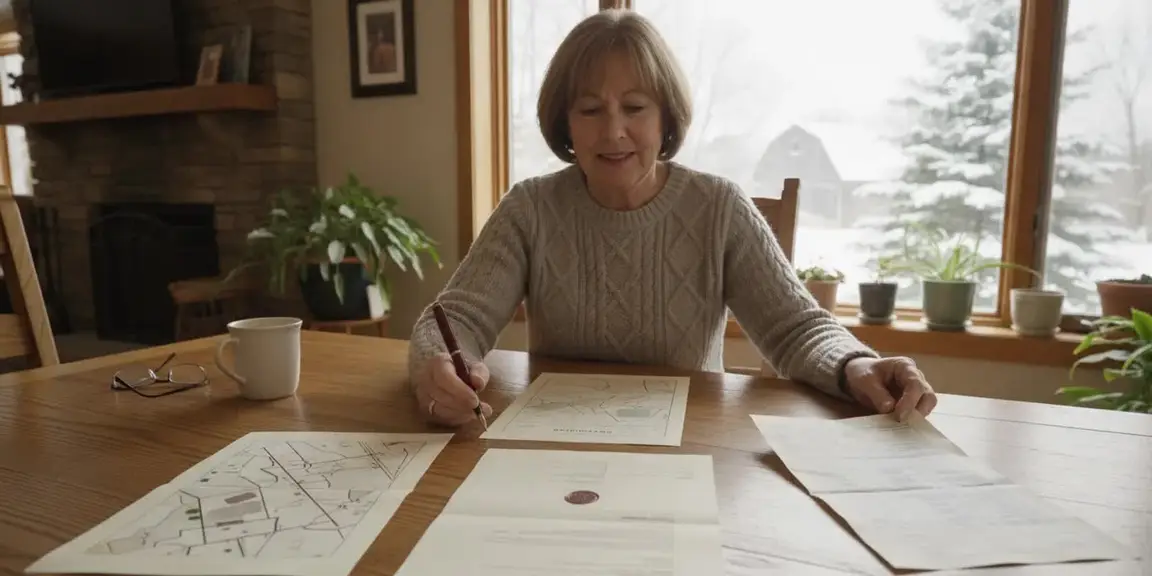

If you need to sell house fast in Michigan and learn that a parcel number correction is pending, start by identifying exactly which record is changing. A parcel identification number helps offices locate a property, but it is not the same as a deed’s legal description or proof of ownership. A mismatch does not automatically prevent a sale. It does mean you should collect the records, ask what the correction affects, and tell the people handling the transaction before setting expectations about closing.
Discuss your property and next steps
What does a parcel number correction mean?
A parcel number, sometimes called a parcel identification number or tax parcel number, is an identifier used in assessment and tax records. A local office may correct a record because a number was entered incorrectly, a mapping or database system changed, or the current record does not match the office’s information. The reason and process depend on the property and the office maintaining the record.
Do not assume that every correction changes the land itself. A correction may be administrative, such as fixing a transposed digit. In another case, the discrepancy may point to a lot split, combination, boundary, easement, or deed-description question. Those situations call for different follow-up. Separate what the notice explicitly says from what you suspect it means.
Michigan’s Assessors Manual says a parcel in question should be findable by looking at a property tax map. A map can help you compare records, but it does not replace a deed or settle every legal question. See the Michigan Assessors Manual, Volume III.
Which records should you compare before selling?
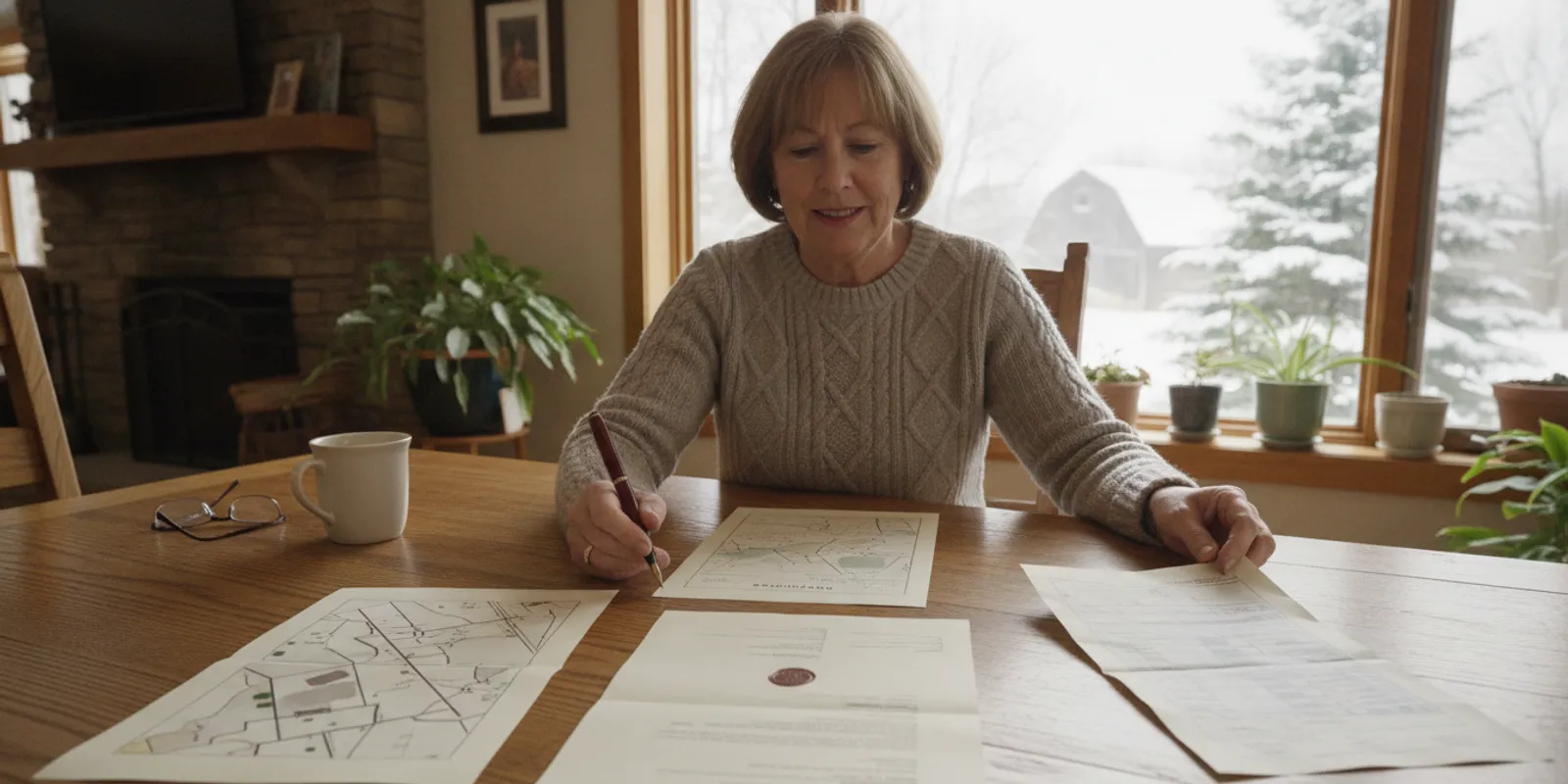
Begin with the documents that identify the property rather than relying on one number copied from a bill or online map. Gather the latest deed, property tax bill, assessment notice, and written correction notice. If available, include the assessor’s property record, tax map, survey, and prior closing documents. Record the date and issuing office for each item, since records may reflect different points in the process.
- Deed: Note the owner names and legal description. Do not edit or paraphrase that description yourself.
- Tax bill and assessment notice: Copy the parcel identifier exactly and note the taxing jurisdiction and year.
- Tax map and assessor record: Check whether the referenced parcel appears to identify the same land and improvements. A map image is a comparison aid, not a boundary determination.
- Correction notice: Identify the field being changed, the reason given, who initiated it, and whether the correction is pending, approved, or complete.
- Survey and prior closing papers: Keep these available if you have them. A professional may find them useful when comparing boundaries or descriptions.
Make a simple comparison sheet with one row per document and columns for owner, address, parcel number, legal description reference, date, and issuing office. For example, if the tax bill has a digit that differs from the notice but the deed description appears consistent, ask the issuing office whether the bill is the record being corrected. If the deed’s legal description differs from the record, do not conclude that the problem is a typo; request a title or legal review.
Keep original documents intact. If information does not agree, ask the office responsible for the record to explain the discrepancy in writing. Save emails, letters, and any updated record so the buyer, title professional, and closing office can work from the same version.
Who handles which part of a parcel correction?
The first contact depends on the record in question. If a tax bill or assessor map appears wrong, contact the assessor or local office responsible for that record and ask what evidence it needs. If ownership, a deed’s legal description, or a boundary is implicated, an assessor’s response is not a legal determination. Ask a Michigan real-estate attorney or title professional to review the deed and advise whether anything needs to be corrected or recorded.
When contacting the office, provide the property address and parcel number as printed on each document. Describe the conflict without guessing at the cause. Ask these questions:
- Which exact record, field, or map reference is being corrected?
- Does the change affect only an identifier, or does it affect a legal description, mapped boundary, or ownership information?
- What supporting documents are required, and who must submit them?
- Has the correction been submitted, approved, or reflected in the current record?
- Can the office provide written confirmation or an updated record when the work is complete?
- Are there other offices that should be notified once the record changes?
Use contact information on the official notice or the relevant local-government site. Responsibilities may differ among local offices in Oakland, Wayne, and Macomb counties. The office that maintains an assessment record may not be the office that handles deed recording, so confirm which record each office can address.
How might the issue affect a home sale?
The effect depends on what does not match. A clerical correction may require documentation and coordination but may not change the transaction’s basic terms. A discrepancy involving a legal description, lot configuration, ownership, or title review can require more investigation. A buyer, title professional, lender, or closing office may need to understand the issue before the transfer is completed. Ask the people responsible for reviewing the records what remains before treating a closing date as firm.
Use this table to organize the next question, not to diagnose your property. Similar-looking mismatches can have different causes, and the office or professional reviewing the actual documents should guide the decision.
| What you find | Useful next step | What to confirm |
|---|---|---|
| A parcel number appears mistyped on one tax document | Ask the office that issued it to verify the identifier and explain its correction process. | Whether the deed and legal description still identify the property being sold. |
| The tax map and assessment record appear inconsistent | Request an explanation from the assessor or mapping office and provide the deed details. | Whether it is a database or map issue, or a boundary question requiring review. |
| The deed description differs from current parcel records | Have a title professional or real-estate attorney compare the documents. | Whether a recorded correction or other supporting document is needed before closing. |
| A notice refers to a split or combination | Ask the responsible office about the application or decision status; seek professional guidance. | Whether the action is approved, recorded, and reflected in relevant records. |
What should you tell a potential buyer?
Share the known facts early and avoid describing an unresolved issue as harmless or serious without evidence. Explain which office issued the notice, what it says, and which questions remain open. Provide copies of the documents you have through an appropriate channel. If you have an agent, coordinate the explanation with the agent and the title or legal professional. If selling directly, ask who will coordinate review of the records and what documents that person needs.
A short written timeline can prevent confusion: when you received the notice, when you contacted the office, what the office requested, and when you expect an update. Mark estimates as estimates. Before signing an agreement, discuss the known issue and make sure the parties understand what is unresolved and how it may affect the schedule. Do not treat a verbal estimate as confirmation that a correction is complete.
If you want to understand the broader route for a sale while the records are being reviewed, see the steps and selling options for your house. That overview does not determine whether your specific parcel issue is resolved; use the documents and appropriate professionals for that question.
Should you wait for the correction before deciding to sell?
There is no universal answer. If the issue appears to be a straightforward record update, you may be able to discuss a sale while it is underway, provided everyone involved understands its status. If the deed description, ownership, or boundary is uncertain, getting the issue reviewed before committing to a deadline may help avoid a later disagreement. Waiting can mean ongoing ownership expenses and maintenance; moving ahead without clarity can mean delays or revised plans.
Compare the options with information you can verify. Ask the responsible office how its process works and whether it can offer a status estimate, while remembering that an estimate is not a promise. Ask a title professional what must be resolved for the transfer. Then consider your own timing, carrying costs, and plans for the property. If weighing a direct sale against a listing, review how an investor sale and a listing can differ. The records question remains separate from the choice of sale method.
A useful decision worksheet can keep the discussion concrete. List what is confirmed, what is unknown, who can answer each open question, and the next follow-up date. For example, “tax map shows a different reference” is an observation; “the property boundary changed” is a conclusion that needs evidence. Keep those categories separate when discussing timing with a buyer or closing professional.
What can you do while waiting for an answer?
Use the waiting period to prepare, without making assumptions about the correction:
- Put the deed, tax records, correction notice, survey, and prior closing papers in one folder.
- Write down each parcel number exactly as it appears, together with the document date and issuing office.
- Request a written status update and save the response with the other records.
- Tell any agent, buyer, or closing professional that a record question is under review.
- Ask what additional information is needed before anyone can set a realistic closing schedule.
- Keep property-related bills and notices together so you can answer questions promptly.
Before a follow-up call, prepare a concise description: “My deed dated [date] lists this legal description; my tax notice dated [date] lists this parcel number; I received a correction notice from [office]. Which record is being corrected, and what document would confirm completion?” Fill in the brackets from your paperwork. This keeps the conversation focused and makes it easier to follow up in writing.
If the home also needs repairs, keep that separate from the parcel question. The physical condition of a house and the accuracy of its records are different issues. You can read about selling a house as-is or the steps in M1 Home Buyers’ buying process. For service-area information, see where M1 Home Buyers buys houses.
Frequently asked questions
Does a parcel number correction mean I cannot sell?
Not necessarily. The effect depends on what is changing and whether the deed, legal description, ownership, or boundary is involved. Ask the office responsible for the record and seek a title or legal review for questions about ownership or legal descriptions.
Is a parcel number the same as a deed description?
No. A parcel number identifies a property in records. A deed contains a legal description of the property conveyed. Compare them when a mismatch appears, but do not treat one as a substitute for the other.
Can I change the number myself on sale documents?
Do not change official or transaction documents based on guesswork. Confirm the correct information with the office maintaining the record, then ask the closing or title professional how the documents should be handled.
What if I cannot get an answer from the assessor?
Follow up in writing with the address, parcel identifier, and copies of conflicting records. Ask which office maintains the specific record. For a question about the deed, legal description, ownership, or boundary, consult a Michigan real-estate attorney or title professional.
Talk with M1 Home Buyers about your property
A parcel number correction is a reason to verify the records, not to assume the worst. Find out what is changing, involve the right professionals, and make decisions from confirmed information.