

Water damage can turn a manageable home problem into a difficult selling decision. Repairs, insurance questions, and safety concerns may arrive at the same time. Before thinking about an offer, focus on protecting people, preserving useful records, and understanding what happened to the property.
To sell water damaged house for cash Michigan homeowners can document the damage, contact their insurer, disclose known material issues, and request an as-is walkthrough from a direct cash buyer. M1 Home Buyers evaluates homes with extensive water damage without requiring the seller to complete repairs first. The offer will reflect the property’s condition and other market considerations.
You do not have to decide immediately whether restoration or an as-is sale makes more sense. A careful first step can help you separate urgent safety and insurance matters from the practical choices involved in selling. Start by stopping further damage when it is safe, documenting the affected areas, and getting the right professionals involved.
Request a no-obligation walkthrough or call (248) 970-1051
What to Do First When Your Michigan Home Has Water Damage
Water damage creates two separate priorities. Protect people from immediate hazards, then decide what to do with the property. Keeping those decisions separate can help you move forward without making a rushed repair or selling choice.
Put safety ahead of cleanup
If water is still entering the house, address the source only when it is safe to do so. Do not enter standing water near electrical outlets, appliances, or damaged wiring. Water can also affect heating, cooling, and other systems in ways that are not obvious during a quick walk-through. A qualified electrician, plumber, HVAC professional, or water-restoration specialist can evaluate those risks and recommend the appropriate next step.
Mold may become a serious concern within 24 to 48 hours after water damage, according to M1’s customer guidance. That is a reason to act promptly, not a reason to assume mold is present or to attempt specialized remediation without advice. If anyone in the household has health concerns, keep them away from affected areas and consult an appropriate health or remediation professional.
Document what happened and contact your insurer
Take photographs and videos of affected rooms, materials, and visible damage when you can do so safely. Note when the problem occurred, what caused it if known, and any steps taken to limit additional damage. Preserve relevant receipts, estimates, and professional reports. Avoid throwing away damaged materials before asking your insurer or adjuster whether they need to inspect them, unless leaving them in place creates a safety risk.
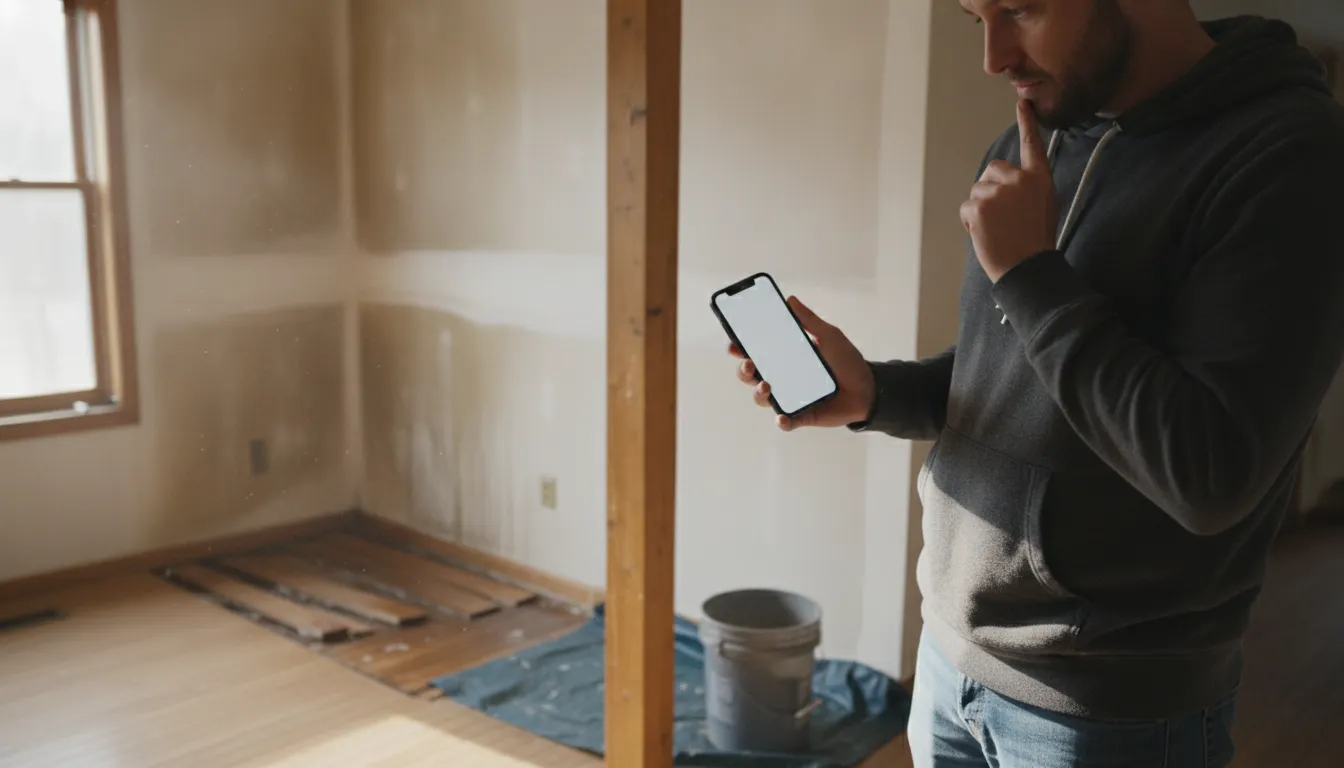
The Michigan Department of Insurance and Financial Services recommends telling your insurance company that there is water damage and asking what coverage may be available: Michigan DIFS water-damage insurance guidance. Do not assume that every incident will be treated as a flood claim. Storm-related rainwater intrusion, sewer backup, and sump-pump failure may be handled differently under a particular policy. Your insurer can explain the policy, while a licensed professional can help evaluate the physical damage.
Understand disclosure before discussing a sale
Keep a clear record of known damage, prior repairs, and any evaluations. Known material defects may need to be disclosed in Michigan, but the right disclosure depends on the facts and your transaction. For advice about your legal obligations, consult a qualified Michigan real-estate attorney rather than relying on a general online explanation.
Once safety concerns and documentation are underway, you can compare repair, listing, and as-is options with better information. A cash buyer’s walkthrough may help with an initial property evaluation, but it does not replace an inspection or professional assessment when those services are needed.
How Water Damage Can Affect Value and Your Selling Choices
Water damage can change more than the appearance of a house. Moisture may affect floors, walls, insulation, electrical components, HVAC equipment, and other systems. The longer the property remains unresolved, the harder it can be to understand its true condition. A qualified contractor or inspector can help identify safety concerns and the work required. This evaluation is separate from a buyer’s walkthrough and should not be treated as a substitute for professional advice.
Value can also be affected even after repairs. FEMA’s FloodSmart guidance explains that flood damage may reduce a property’s value and resale value after restoration. It also illustrates how quickly damage can become expensive. The actual impact depends on the water source, duration, affected materials, prior condition, and quality of the repairs. Treat any general benchmark as context, not an estimate for your house. Read FEMA’s explanation of the real cost of flooding.
There is another reason to avoid relying on a simple formula. Academic research using extensive U.S. housing-market data found that markets do not fully price flood-risk information in aggregate. In other words, a home’s apparent market value may not capture every concern a buyer could discover later. That makes honest documentation and a realistic evaluation especially important when deciding whether to restore or sell without completing repairs. Review the published research on flood-risk information and housing prices.
When repairing may make sense
Repairing first may be worth considering if the damage is limited. You have the funds and time to manage the work, and the finished property is likely to fit your plans. Ask qualified trades to evaluate systems that may have been exposed to moisture. Restoration can involve electrical or HVAC concerns, including corrosion and safety issues, so cosmetic cleanup alone may not address the full problem. Obtain written scopes of work where possible, and compare the practical cost, timeline, and disruption with your expected selling outcome.
When selling as-is may be more practical
Selling as-is can be a sensible choice when repairs are extensive, the property is vacant, or managing contractors would add financial and emotional strain. M1 Home Buyers helps Michigan homeowners weigh repairs versus an as-is sale around their personal goals. As a direct buyer, M1 can consider homes with extensive water damage without requiring the seller to complete repairs before an initial offer. The tradeoff is important: a cash offer reflects repair and market considerations, so it may differ from a retail listing price. There is no reliable way to compare the options without looking at the property’s condition and your timeline.
Whichever path you choose, disclose known material defects accurately and keep records of the damage, insurance communications, inspections, and completed work. A qualified Michigan real-estate attorney can explain disclosure obligations for your specific situation. The best choice is the one that protects your safety, finances, and control over the next step. You can also review M1’s sell-your-house resources and frequently asked questions as you compare your options.
How Can You Sell a Water-Damaged House for Cash in Michigan?
If you decide to sell a water-damaged house for cash in Michigan, you can usually keep the process focused on the property’s condition, the contract, and your own timeline. A cash sale does not remove the need for honest communication, but it may offer an alternative to coordinating extensive repairs before listing.
-
Schedule a walkthrough
Start with a walkthrough so the buyer can see the home’s current condition. M1 Home Buyers conducts its own initial walkthrough, including for houses with extensive water damage, so you do not have to complete repairs before receiving an evaluation. This is a buyer’s preliminary assessment, not a substitute for a licensed contractor, qualified inspector, or specialist who should evaluate safety concerns such as damaged wiring, HVAC components, structural issues, or possible mold.
-
Disclose what you know
Describe when the water damage occurred, what caused it if known, which areas were affected, and any cleanup or repair work already completed. Known material defects generally need to be disclosed in Michigan. For advice about your specific disclosure obligations, ask a qualified Michigan real-estate attorney. If you are considering an insurance claim, the Michigan Department of Insurance and Financial Services advises homeowners to tell their insurer there is water damage and ask what coverage may be available. Coverage can differ depending on whether the cause involved rainwater intrusion, a sewer backup, or sump-pump failure.
-
Review the offer and proof of funds
Ask how the offer was calculated and how the water damage, repair needs, market conditions, and property details affected the amount. A cash offer may differ from a retail listing price because it reflects the work and risk involved in bringing the property back to market. Before signing, request proof of funds and review the entire contract. Pay attention to the purchase price, inspection or contingency language, closing date, costs, possession, and what happens if either party cannot complete the transaction. You can also review how the direct sale works before deciding whether the process fits your situation.
-
Complete title work and closing
After an accepted offer, the closing process includes confirming ownership, resolving liens or other title issues, and preparing the documents needed to transfer the property. M1 states that it does not charge sellers agent commissions, closing costs, or hidden fees, but read your specific contract carefully so you understand the final terms. Closing can often happen within 7 to 21 days, subject to title and transaction details, rather than on a guaranteed schedule.
-
Agree on move-out timing
Discuss when you need to remove belongings and leave the house before signing. Depending on the seller’s needs and the transaction details, a flexible move-out date after closing may be accommodated. Put any post-closing possession arrangement in writing, including the date, access expectations, and responsibility for utilities or property care. That small step can prevent confusion while you relocate.
What a Cash Buyer May Inspect Before Making an Offer
A direct cash buyer typically begins with a practical walkthrough, not a request for you to restore the property first. The goal is to understand the home’s condition, the work it may require, and whether the proposed transaction fits the property. M1 Home Buyers conducts its own initial walkthrough, so a seller does not have to hire a third-party inspector just to receive an offer. That evaluation is not a licensed inspection, engineering report, mold assessment, or substitute for professional advice.
The source and extent of the water damage
The walkthrough may start with the basic story of what happened. Was the water caused by a roof leak, plumbing failure, storm intrusion, sewer backup, sump-pump issue, or another source? The buyer may look for visible staining, damaged flooring, swollen drywall, soft areas, odors, and signs that the problem is active or recurring. They may also ask when the damage occurred, whether the water was removed, and whether any cleanup or repairs have already been attempted.
Moisture or mold indicators can affect both safety decisions and the likely scope of restoration. A buyer may note musty odors, discoloration, damp materials, or areas that are difficult to access. These observations are preliminary. If you suspect mold, contaminated water, structural damage, or unsafe conditions, consult an appropriately qualified professional before entering or disturbing affected materials.
Systems, access, and occupancy
Water can compromise electrical wiring and HVAC equipment through corrosion and other safety risks. For that reason, a walkthrough may include visible electrical components, the furnace or other HVAC equipment, plumbing, the basement or crawl space, and areas around the original source. The buyer may also consider whether the home can be safely accessed, whether floors or ceilings appear unstable, and whether personal belongings block important areas.
Occupancy is another practical question. The buyer may need to know whether you live in the property, whether tenants or other occupants are present, and what timing would be needed for a move-out. Be candid about known damage and occupancy arrangements. An as-is sale does not remove the need to accurately disclose known material defects, and a title professional or real-estate attorney can explain obligations for your specific situation.
How the walkthrough affects the offer
A cash offer reflects repair and market considerations, so it may differ from a retail listing price. M1’s local small-business team also considers Michigan labor and material conditions when evaluating a property. Ask what the offer includes, review the contract carefully, and request proof of funds before signing. A clear walkthrough gives both sides a more realistic starting point without pretending that a preliminary buyer evaluation replaces licensed inspections or professional advice.
Cash Sale vs. Listing a Water-Damaged House
Neither selling path is automatically right for every homeowner. The better choice depends on the damage, your finances, your timeline, and how much work you want to manage. A traditional listing may be worth considering when the property can be repaired and you are prepared for showings, negotiations, and a longer process. A direct as-is sale may be more practical when repairs are difficult to coordinate or you need a simpler transition.
Water damage can affect more than the appearance of a home. FEMA notes that flooding may reduce property value and resale value even after repairs are completed. That makes the potential retail price harder to predict, especially when buyers, inspectors, and lenders evaluate the property’s condition differently. FEMA explains how flooding can affect property value.
| Consideration | Traditional listing | Direct as-is sale |
|---|---|---|
| Repairs | You may need to repair, clean, or document the damage before marketing, depending on the strategy and buyer expectations. | M1 can evaluate a house with extensive water damage without requiring you to make repairs before receiving an offer. |
| Timing | The timeline can extend through preparation, marketing, showings, inspections, financing, and closing. | M1 states that a closing may often happen within 7 to 21 days, subject to title and transaction details. |
| Price uncertainty | A listing may expose the home to more retail buyers, but the final price can change after inspections, repair negotiations, or appraisal concerns. | The offer reflects the property’s condition and repair or market considerations, so it may differ from a retail listing price. |
| Disclosures | Known property conditions must be addressed accurately, and traditional listings involve detailed disclosures about damage. | An as-is sale does not mean hiding known defects. Disclose material issues accurately and seek legal guidance for situation-specific questions. |
| Financing | A buyer’s mortgage, inspection, or financing contingency can affect whether the transaction reaches closing. | A direct cash transaction does not rely on a traditional mortgage lender, although title and other closing requirements still apply. |
| Convenience and costs | You may manage contractors, showings, negotiations, and listing-related expenses. | M1’s stated process includes no agent commissions, closing costs, or hidden fees, with the offer amount representing what the seller receives. |
Before choosing, compare the effort and risk of each route with your actual priorities. Ask an insurer about available coverage before assuming repairs must come from your own funds. Then review any cash offer carefully, request proof of funds, and understand the contract. A local buyer can discuss an as-is option, but the decision should remain yours.
Request a no-obligation cash offer or call (248) 970-1051
Frequently Asked Questions
Can I sell a water-damaged house for cash in Michigan?
Yes. A direct buyer may evaluate the property in its current condition, including extensive water damage, and make an as-is offer. You can request a walkthrough without committing to repairs or accepting an offer. The final terms depend on the home’s condition, title, occupancy, and transaction details.
Do I have to fix water damage before selling my house in Michigan?
Not necessarily. An as-is sale may let you avoid making repairs before a buyer evaluates the home. However, you should document what happened and disclose known material defects. For advice about a specific disclosure obligation, consult a qualified Michigan real-estate attorney.
Will a cash buyer deduct for water damage?
The condition of the property is one factor in a cash offer, along with repair needs and local market considerations. That means an offer may differ from the price a fully repaired home could bring through a traditional listing. Ask how the buyer reached the offer and review the contract before signing.
Should I contact my insurance company before selling?
Yes. Michigan’s Department of Insurance and Financial Services advises consumers to tell their insurer about water damage and ask what coverage may be available. Storm water intrusion, sewer backup, and a failing sump pump may be treated differently under a policy, so do not assume the outcome without checking your coverage. Michigan DIFS offers insurance guidance.
How does selling a house as-is work in Michigan?
You share the property’s condition, allow the buyer to complete a walkthrough, review the proposed price and terms, and verify proof of funds before signing. The closing timeline depends on title work and other transaction details. A qualified professional should evaluate safety, electrical, HVAC, or possible mold concerns when needed.
Ready to Sell a Water-Damaged House for Cash in Michigan?
Water damage can make a property decision feel complicated, especially when you are still sorting through repairs, insurance, and next steps. A walkthrough can help you understand whether an as-is cash sale fits your goals, without committing to anything. M1 Home Buyers is a small local business serving Michigan homeowners with a transparent, low-pressure process. Learn more about our local team before you decide.
Request a no-obligation walkthrough and call (248) 970-1051