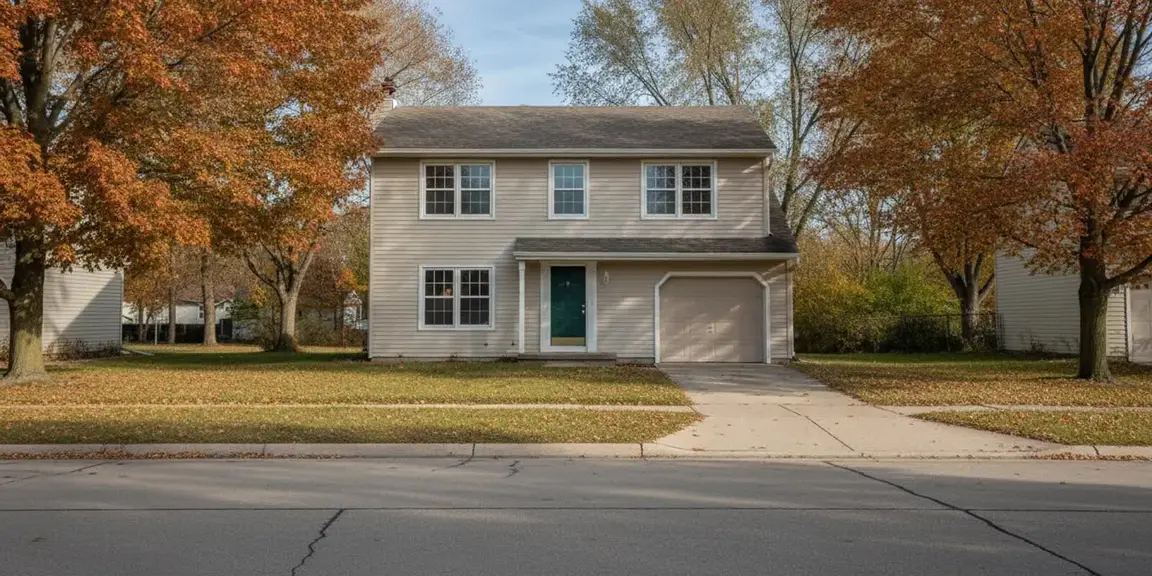

If you need to sell vacant house in Michigan, start with two parallel tasks: keep the property from deteriorating and compare sale paths using complete terms rather than headline numbers. An empty home can be sold in its current condition, prepared for a listing, or considered by a direct buyer. Your best fit depends on condition, carrying costs, timing, and how much work you can manage.
What should you do first when a house becomes vacant?
Begin with safety, active damage, and a reliable way to check the property. An empty house still has plumbing, heating, exterior, and security needs. A small issue may become harder to address if nobody notices it promptly, so set a recurring check rather than relying on occasional visits.
- Check that exterior doors and accessible windows close and lock.
- Look for water leaks, unusual odors, ceiling stains, storm damage, and signs of entry.
- Arrange lawn care in warm months and snow removal in winter.
- Decide how mail, packages, and service notices will be collected.
- Photograph the exterior and each room, and date the images.
- Keep utilities in a condition appropriate for the season and property. Ask the utility provider or a qualified professional before changing service.
Do not assume a vacant property is exempt from local rules. Contact the city or township where it is located and ask whether registration, inspection, or maintenance requirements apply. Rules can depend on the municipality and the property’s circumstances. If the home is in Oakland, Wayne, or Macomb County, use that municipality’s current guidance rather than treating a general checklist as a local rule.
A simple visit log makes follow-up easier. Record who checked the house, the date, what they observed, and any action still needed. If you live elsewhere, identify a trusted person who can check after severe weather and send dated photos. Keep contact details for the insurer, utility providers, and any contractors in one place. These steps are practical safeguards, not a replacement for insurance terms or local requirements.
How much upkeep is sensible before a sale?
Separate property protection from optional presentation work. Fixing an active leak or addressing an immediate safety problem protects the house. Removing debris or mowing the lawn may make access and review easier. A major renovation is a different decision: it takes money, coordination, and time, and its benefit is not automatic.
Before starting a project, write down its purpose, estimated cost, schedule, and what could go wrong. For example, a ceiling stain may be old or may indicate an active leak. Find out which before painting. If a repair requires a licensed trade, request a written scope and keep the estimate, invoice, permits, and warranty information. Avoid opening a large project merely because the house is empty; one repair can reveal additional work or delay a decision.
Use a modest decision test: Is the work needed to prevent more damage? Is it needed for safety or access? Is it mainly cosmetic? What would happen if you sold without doing it? Comparing those questions helps keep urgent maintenance from getting mixed up with optional upgrades. Do not assume every improvement will return its full cost at sale.
| Sale path | Typical preparation | Costs and effort to consider | Questions to ask |
|---|---|---|---|
| Sell as-is to a direct buyer | Share condition details and arrange a property review | Potentially less preparation; compare proposed terms and net proceeds | What condition is accepted? Who pays transaction costs? What is the timeline? |
| Repair and list with an agent | Repairs, cleaning, photos, listing preparation, and showings may be involved | Upfront work and carrying costs, along with transaction expenses | Which work is worthwhile? What are the likely net proceeds and schedule? |
| List in current condition | Disclose known issues and plan for access and showings | May avoid major renovation, while buyer expectations and financing may affect the process | What disclosures apply? How will offers and contingencies be handled? |
This table is a comparison framework, not a promise about price, timing, or a particular buyer’s terms. One route may reduce preparation but involve a different proposed sale amount; another may require more work and expose the home to a broader pool of buyers. Neither is a complete comparison until you account for carrying costs, property condition, transaction expenses, and your schedule. Review how a direct sale compares with listing through an agent, along with as-is sale considerations and the home-buying process.
What documents and details should you gather?
You do not need to settle every question before comparing options. Gather what is available and list anything still missing. Organized information can make conversations more specific and reduce the chance of overlooking a cost or deadline.
- Proof of ownership and available mortgage or lien information.
- Recent property tax and utility information.
- Insurance documents and notices related to the property.
- Receipts, permits, warranties, and contractor details for completed work.
- A list of known repairs, damage, and items that may remain in the house.
- Keys, access details, and a realistic estimate of when you can make decisions.
If the home was inherited or several people have an interest in it, confirm who is authorized to make decisions and whether probate or another legal step applies. A Michigan attorney or other qualified professional can address facts specific to your situation. Do not rely on a buyer’s general explanation as legal or tax advice.
How can you compare sale options fairly?
Compare likely net proceeds and practical demands, not just a headline sale amount. A traditional listing may involve preparation, showings, carrying costs, and transaction expenses. A direct sale may reduce some preparation demands, but its offer and contract terms still need a close read. Ask each party to put assumptions in writing.
- Set your priorities. Decide whether timing, fewer property tasks, or maximizing proceeds matters most. Rank them rather than trying to treat every goal as equal.
- Describe condition consistently. Give each person or company the same known facts, including repairs, water issues, and items left behind. A consistent description makes comparisons more useful.
- Request complete terms. Review contingencies, transaction costs, inspection rights, possession date, and conditions that could change or end the agreement.
- Estimate net proceeds. Subtract expected costs and obligations from the proposed sale amount. Include ongoing expenses while the property remains vacant.
- Check the calendar. Compare the proposed closing date with your mortgage, insurance, utility, and property-care obligations.
- Pause on unclear language. Ask questions and consult an independent professional before signing if a clause or obligation is not clear.
For example, imagine one option that requires several repairs before listing and another that proposes a sale in current condition. Do not compare the listing’s possible price with the direct buyer’s figure in isolation. Estimate repair costs, time to complete them, ongoing utilities and insurance, expected transaction expenses, and the chance that the schedule changes. Then compare the written terms and the work each option requires from you. The point is not to predict a perfect number; it is to understand what each path asks of you and what remains uncertain.
You can read the home-selling FAQ for general questions and review service-area information to see the counties covered. Those pages do not replace your own review of a specific contract.
What should you know about Michigan foreclosure risk?
If mortgage payments are behind, moving out does not by itself resolve responsibility for the loan. Do not ignore notices. Contact the loan servicer promptly to ask about the account status, deadlines, and available options. Consider speaking with a housing counselor or attorney before signing a sale agreement if foreclosure proceedings may be involved.
Michigan Public reported that statewide foreclosures increased in 2023. A statewide report does not establish the status or deadlines for any individual homeowner, so verify your own situation directly with the servicer and qualified advisers. M1’s foreclosure information can help you identify questions to ask, but is not legal or mortgage advice.
Source: Michigan Public’s report on foreclosure data.
How does a vacant home affect access and the closing plan?
Decide who may enter and how access will be arranged before choosing a sale route. An empty house can be simpler to show than an occupied one, but keys, appointment windows, and securing the property after each visit still need attention. If several owners live in different places, agree on who can authorize entry and communicate decisions. A shared calendar or written schedule can prevent missed visits and confusion.
Make a room-by-room list of belongings you intend to keep, remove, or leave. Confirm in writing how the agreement treats any personal property that remains; do not assume an informal conversation changes contract terms. Confirm the possession date as well. The agreement may require the house to be vacant by closing, or it may set another arrangement. Align property care, utility service, and insurance questions with the written schedule, and ask providers when any changes should take effect.
Also consider how access affects your own routine. If a trusted person holds the key, provide clear instructions about locking doors, reporting a concern, and not allowing unplanned entry. If repairs are underway, tell each interested party what areas may be unavailable and whether a contractor is scheduled. Keep a record of keys issued and returned. These details are easy to overlook when the house has no occupants, yet they help keep responsibility clear throughout the sale process.
When is an as-is sale worth exploring?
An as-is sale may be worth exploring when significant work is needed, coordinating contractors is difficult, or you want to compare a direct transaction with listing. “As-is” does not mean hiding known problems or skipping contract review. Buyers may still review the property, and the agreement determines what happens after that review.
M1 Home Buyers says it buys homes in the Metro Detroit area, including homes that need repairs. If you consider this route, ask how the property review works, which costs each party is responsible for, how the closing date is set, and whether the agreement contains contingencies. Compare the written terms with other options. You can also review guidance about selling a house that needs repairs.
What practical steps can you take this week?
A short plan can keep the decision manageable. Start with the items that protect the property, then gather information for a fair comparison. You do not have to decide on a sale route before completing every task.
- Do a condition walk-through. Photograph each room and the exterior, note active problems, and identify anything requiring immediate attention.
- Set a care routine. Decide who checks the property, how often, and who handles weather-related needs, yard work, mail, or a repair call.
- Ask about local rules. Contact the municipality with the property address and ask whether vacant-home requirements apply.
- Collect records. Put ownership, mortgage, tax, insurance, utility, and repair documents together, and note what is missing.
- Choose options to compare. Consider an as-is listing, repairs followed by a listing, and a direct sale if suitable to your circumstances.
- Request written details. Compare costs, conditions, access, possession, and timing before deciding.
For a homeowner who lives nearby, the care routine might mean checking after heavy rain and arranging seasonal yard work. For an owner who lives out of the area, it may mean choosing a trusted local contact, setting photo updates, and keeping a contractor list ready. The right routine is the one you can actually sustain while decisions are pending.
Frequently asked questions
Can I sell a vacant house without making repairs?
That may be possible through an as-is listing or a direct buyer, depending on the buyer, property, and contract. Disclose known issues as required and review the agreement carefully; “as-is” does not erase every disclosure duty or guarantee that a buyer will accept particular conditions.
Should I keep utilities on in an empty house?
There is no one rule for every home or season. Ask your insurer, utility providers, and a qualified professional what is appropriate for the property’s systems and local conditions before changing service.
How often should someone check on the property?
Set a schedule that fits the house, season, and insurance requirements, and arrange extra checks after severe weather or a reported problem. Ask your insurer whether the policy has specific vacancy conditions or notification requirements.
What if several owners need to agree?
Identify who has authority to sign and make decisions before accepting an offer. If ownership, inheritance, or probate questions are unresolved, consult a Michigan attorney or other qualified professional.
Talk with M1 Home Buyers about your options
A vacant home can be sold, but a sound decision starts with protecting the property and comparing complete written options. Address urgent risks, confirm local and contractual requirements, and get qualified advice whenever mortgage, legal, or tax questions affect your next step.