

An inherited house can become a responsibility before your family has decided what to do with it. Property taxes, utilities, insurance, lawn care, and maintenance may continue while probate, title work, or disagreements among heirs slow the process.
If you need to sell my inherited house fast Michigan, a direct cash sale may let you resolve the property as-is, without repairs, agent commissions, or a long listing period. The right path depends on the estate’s probate status, who has authority to sell, and whether the title is clear.
Understanding those steps first can help you avoid preventable delays and choose a timeline that fits the estate. Here is how an inherited home sale typically moves from probate and authorization to closing.
Get your no-obligation cash offer now
How Selling an Inherited House in Michigan Works
Follow the estate process before transferring the property
Selling an inherited home in Michigan is usually an estate matter, not simply a transaction between an heir and a buyer. Probate is the court-supervised process used to identify and gather the deceased person’s assets, pay debts, and distribute what remains to the heirs. The exact path depends on the will, the ownership records, the type of probate administration, and whether all interested parties agree.
These practical steps can help you understand what usually needs to happen before a sale can close:
- Confirm who has authority to act. Start by determining whether the property was transferred outside probate through joint ownership, a trust, or a beneficiary designation. If it is part of the probate estate, the court generally appoints a personal representative to handle estate business. An heir may inherit the property, but that does not always mean the heir can sign a purchase agreement on behalf of the estate. Review the will and probate documents, and confirm who is authorized to make decisions. If several heirs are involved, clarify whether everyone must sign or whether the personal representative can act for the estate.
- Inventory the house and its condition. Locate the deed, mortgage information, tax records, insurance documents, utility accounts, and any available inspection or repair records. Walk through the property carefully and document its condition with photographs. Secure the home, protect valuable personal property, and make a plan for removing belongings. An accurate inventory helps the personal representative disclose known issues, estimate carrying costs, and decide whether a traditional listing, an as-is sale, or another approach is appropriate.
- Identify debts, liens, and ongoing expenses. Before distributing proceeds, the estate may need to address mortgages, unpaid property taxes, utility balances, contractor claims, judgments, or other obligations. Ask the probate attorney or personal representative how creditor notices and estate debts will be handled. Keep insurance active and continue necessary maintenance while the home is vacant. Resolving title issues and outstanding balances early can prevent surprises when a title company prepares for closing.
- Determine whether court approval is required. Michigan probate paperwork notes that, in many cases, a personal representative must petition the court for approval to sell real estate owned by the estate. You can review the Michigan courts’ PC 681 petition for sale of real estate and discuss the requirement with the probate court or an estate attorney. Court approval may involve providing property details, proposed sale terms, notice to interested parties, and supporting documents. Do not assume an accepted offer alone gives the representative authority to close.
- Complete the sale and distribute the proceeds properly. Once the estate has authority to sell, choose the buyer and closing method, provide the title and probate documents, and follow the closing agent’s instructions. The sale proceeds typically go through the estate process before debts, expenses, and approved distributions are handled. Keep copies of the purchase agreement, closing statement, court orders, and receipts. If you want to sell quickly, ask potential buyers early whether they can work with the personal representative, probate timeline, title requirements, and the property’s current condition.
Because every estate is different, a Michigan probate attorney or the court handling the estate can confirm which steps apply to your situation. Getting that authority question answered first can save time and help prevent a sale from being delayed after you have already found a buyer.
What Does Selling an Inherited House in Michigan Cost
The cost of selling an inherited Michigan house depends on more than the eventual sale price. The estate may also absorb listing expenses, repairs, commissions, probate-related work, and the ongoing cost of keeping the property safe while it sits vacant. The right comparison is the net amount left after those costs, along with how much certainty the heirs have about the closing.
Probate itself is the court-supervised process of gathering assets, paying debts, and distributing property to heirs. Depending on the estate and the authority granted to the personal representative, selling real estate may require court approval. The Michigan court form for a petition to sell real property explains that approval may be needed in some cases. That step can add paperwork and time to the transaction: Michigan’s petition to sell real property.
| Consideration | Traditional Listing | Selling to a Local Cash Buyer |
|---|---|---|
| Time to close | Often 30 to 60 days or longer after the property is listed and a buyer is found. Probate or court approval can add another timing variable. | Often 7 to 21 days, depending on title, probate authority, and the estate’s preferred closing date. |
| Repairs needed | The home may need cleaning, repairs, updates, or staging to attract buyers and support the listing price. Those costs are paid before or during the sale. | A local cash buyer may purchase the property as-is, allowing the estate to avoid preparing the house for market. |
| Agent commissions | Agent commissions commonly total about 5% to 6% of the sale price, reducing the proceeds distributed to the heirs. | There is no traditional listing commission. Review the written offer carefully to understand the net amount and any stated deductions. |
| Closing costs and fees | The estate may pay customary seller closing costs, along with inspection-related expenses, concessions, and other transaction charges. | The offer should clearly explain which closing costs, if any, the buyer will cover and whether the seller has any responsibility. |
| Carrying costs while waiting | Property taxes, utilities, insurance, lawn care, snow removal, security, and upkeep can continue while the home is vacant and waiting for a buyer. | A faster closing can reduce the number of months the estate carries taxes, utilities, insurance, and maintenance expenses. |
| Certainty | A financed buyer may withdraw or renegotiate after an inspection, appraisal, or financing issue. The estate may then restart the process. | A cash offer avoids the buyer-financing process, although title review and any required probate authorization still need to be completed. |
No single option is right for every estate. A traditional listing may make sense when the property is market-ready and the heirs are comfortable waiting. A local cash sale may be more practical when the house needs work, the estate is paying ongoing bills, or the heirs want a defined closing window. Before accepting an offer, confirm who has authority to sign, whether probate approval is required, and what the estate will receive after all stated costs.
Can You Sell My Inherited House Fast in Michigan Without Making Repairs?
Yes. An heir or estate representative may be able to sell an inherited house in its current condition instead of repairing, cleaning, or updating it first. An as-is cash purchase allows the buyer to evaluate the property as it stands and make an offer based on its condition. That can be especially useful when the home needs major work, contains unwanted belongings, or has been vacant for a while.
You do not have to replace a damaged roof, repair an old furnace, remove every item from the house, or complete cosmetic upgrades simply to explore a sale. A local cash buyer may take responsibility for the work after closing. The exact process still depends on the estate’s title, probate status, and who has authority to sign. But the house itself does not need to look move-in ready before you request an offer.
Why selling as-is can make sense for an inherited property
Inherited homes often come with decisions that are difficult to make from a distance. Multiple heirs may disagree about how much money to invest, while one person may be handling the property, paperwork, and appointments for everyone else. Spending estate funds on repairs can also delay the sale and create questions about whether the investment will be recovered.
An as-is sale keeps the choice more straightforward. Instead of coordinating contractors and waiting for work to finish, you can have the property reviewed in its present condition. You can then compare the offer with the expected cost of repairs. The time required to complete them, and the uncertainty of listing a property that may need substantial work. There is no obligation to accept an offer.
Vacant homes continue to create carrying costs
A vacant inherited house can cost the estate money each month it remains unsold. Property taxes, utilities, insurance, lawn care, snow removal, pest control, and routine maintenance may continue even when nobody is living there. Small problems can also become larger ones when a home is unoccupied, particularly after severe Michigan weather or a utility failure.
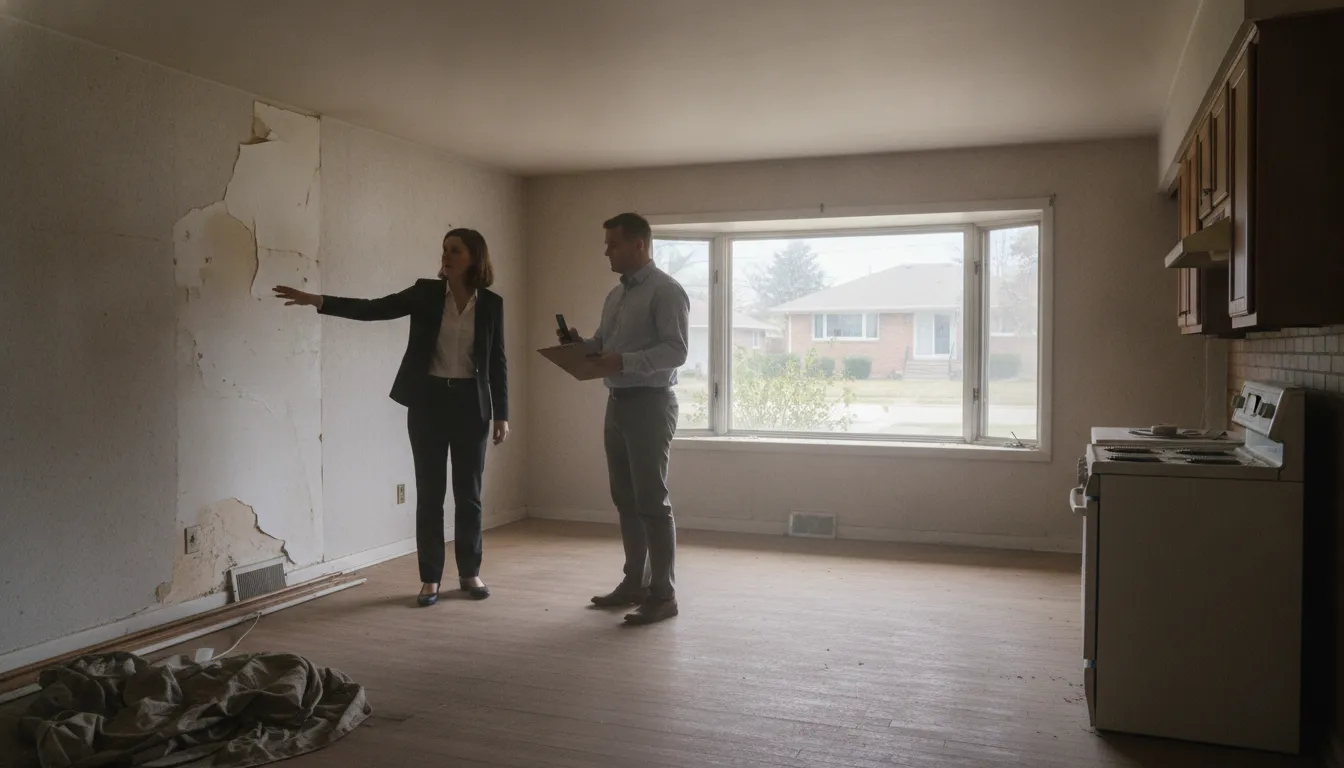
Those expenses reduce the value eventually distributed to the heirs. They can also create stress for the person checking on the home, paying bills, and arranging upkeep. Selling sooner may help the estate stop carrying those responsibilities, although the personal representative should confirm any required approvals and closing steps before moving forward.
If you are comparing an as-is cash sale with a traditional listing, review how we buy houses and consider which option gives the estate the clearest timeline. A local cash buyer can inspect the property in its current condition, explain the proposed terms, and let the seller choose a closing date that works with the estate’s needs. That can provide a practical path for an heir who wants to sell an inherited house fast in Michigan without taking on repairs first.
Inheritance and Capital Gains Taxes When You Sell an Inherited Michigan Home
Michigan inheritance tax is usually not the issue
When you inherit a Michigan home, it is understandable to worry that a state inheritance tax will take a large portion of the property value. For most recent estates, that is not how Michigan works. The Michigan Department of Treasury explains that inheritance tax applies only when the person who died passed away on or before September 30, 1993. For a person who died after that date, Michigan does not generally impose an inheritance tax on the person receiving the property.
That rule is separate from other estate responsibilities. The estate may still need to address debts, probate requirements, property taxes, liens, and the legal authority to transfer or sell the home. If you want to sell your inherited house fast in Michigan, you will still need to confirm who has authority to sign before choosing a buyer or setting a closing date. An estate attorney, personal representative, or tax professional can help clarify the specific details of your situation.
Michigan’s inheritance tax FAQ provides the state’s explanation of the date-based rule.
How the stepped-up basis can reduce capital gains
Capital gains tax is a different question. In general, the tax basis of property inherited from a decedent is the property’s fair market value on the date of death, according to IRS Publication 551. This is commonly called a stepped-up basis.
For example, imagine a home was purchased years ago for $90,000, but its fair market value was $240,000 when the owner died. The inherited basis may generally be based on that $240,000 value rather than the original purchase price. If the heir sells the home for approximately the same amount soon afterward, there may be little capital gain to tax. Although the final result depends on the home’s valuation, selling costs, improvements, ownership details, and other facts.
This is why selling shortly after inheriting can sometimes avoid a large capital-gains tax bill. The home’s value may not have had much time to rise above the date-of-death value. A later sale can create more taxable gain if the property appreciates. While a quick sale may also reduce the ongoing expense of utilities, insurance, maintenance, and property taxes.
Keep records before you sell
Save the appraisal or other documentation showing the home’s fair market value at the date of death, along with closing statements, repair receipts, and estate records. These documents can help establish the basis and calculate the actual gain or loss. Do not assume that every inherited-home sale is tax-free, and do not rely on a buyer to determine your tax liability. A qualified tax adviser can review the estate and explain applicable federal and state filing requirements before closing.
Title, Liens, and Getting the Estate Ready to Sell
Confirm who can legally sell the property
Before an inherited Michigan house can be sold, the estate needs a clear understanding of who owns the property and who has authority to sign the closing documents. Probate is the court-supervised process used to identify the deceased owner’s assets, pay debts, and distribute what remains to heirs. The personal representative, sometimes called an executor or administrator, handles estate matters under the authority granted by the probate court.
That authority is important because an heir may not be able to sign a binding purchase agreement alone. Michigan probate paperwork may require the personal representative to petition the court for approval before selling real estate owned by the estate. The Michigan Courts’ real estate sale form and instructions outline this potential requirement. The exact process depends on the estate, the probate appointment, the will, and the court’s orders. So the personal representative should confirm the signing authority with the estate’s attorney or probate court.
If you are still sorting through the broader process, this guide to selling an inherited home in Michigan can help you organize the major decisions before contacting a buyer.
Check for mortgages, tax liens, and other claims
A title search helps identify the debts or claims attached to the property. Common items may include an existing mortgage, unpaid property taxes, utility balances, judgment liens, or other recorded interests. These issues do not always prevent a sale, but they should be discovered early. A title company or real estate attorney can review the public record and explain what must be resolved before ownership transfers.
In many transactions, valid liens and mortgage balances are paid from the sale proceeds at closing. The closing agent obtains payoff information, sends the required funds to the lenders or lienholders, and distributes the remaining proceeds according to the closing statement. The estate should not assume that a house is free and clear simply because the deceased owner was making payments or because family members were unaware of an old claim. Ask for a title review and written payoff figures before setting expectations about the estate’s net proceeds.
Give the title process enough time
Title problems can take longer when records are outdated, an old mortgage was paid but never released. Heirs are not in agreement, or the estate paperwork does not match the deed. Preparing documents early gives the personal representative time to correct issues rather than discovering them days before closing. Keep the death certificate, will, letters of authority, court orders, deed information, mortgage statements, and tax records available for the title company or attorney.
An experienced local cash buyer can work with the estate, the title company, and the personal representative while these questions are reviewed. That does not replace legal advice or court approval, but it can make the process easier to coordinate. A straightforward conversation about the title status, liens, required signatures, and preferred closing date helps everyone understand what must happen before the sale can be completed.
Why a Local Cash Buyer Is the Fastest Way to Resolve an Inherited House
After an inheritance, the house can quickly become one more responsibility for the estate. Taxes, utilities, insurance, lawn care, winterization, and routine maintenance may continue while the personal representative gathers documents and the heirs decide what to do. A direct sale to a local cash buyer can simplify that decision and help the estate move forward without waiting through every delay associated with a traditional listing.
Speed is one of the clearest differences. A traditional sale commonly takes 30 to 60 days or longer after listing. And that timeline can stretch when the buyer needs financing, the appraisal comes in below the contract price, or inspections lead to renegotiation. A cash sale can often close in 7 to 21 days when the estate is ready and the title work is in order. The buyer is not waiting for a mortgage lender to approve the loan or for an appraisal contingency to be resolved. Which reduces the risk of a late-stage cancellation.
That certainty matters even more when several heirs live in different places or the property is vacant. Instead of coordinating showings, cleaning, repairs, open houses, and buyer requests, the personal representative can work toward one agreed closing plan. The estate still needs to confirm who has authority to sell and whether probate or court approval applies. But a buyer familiar with inherited properties can help identify those practical next steps early.
Sell the house as-is instead of managing another project
An inherited Michigan house may contain decades of belongings, deferred maintenance, outdated systems, or damage that is difficult to evaluate from out of state. Preparing it for the retail market could require paying contractors, sorting personal property, making repairs, and keeping the home secure until a buyer closes. A local cash buyer can purchase the property as-is, so the heirs do not have to invest time and money making it presentation-ready.

M1 Home Buyers is a small local business serving Metro Detroit and homeowners across Michigan. M1 can provide a cash offer in 24 to 48 hours, buy the house in its current condition, and cover the seller’s closing costs. There are no agent commissions or hidden fees taken from the seller after the offer. The closing date can also be planned around the estate’s needs, rather than forcing heirs to fit a buyer’s financing schedule.
This approach is not right for every estate, and heirs should obtain legal or tax advice when probate, liens, multiple beneficiaries, or tax questions are involved. But when the goal is a practical, low-pressure resolution, a direct cash sale gives the personal representative more control and fewer moving parts.
Request your no-obligation cash offer
Frequently Asked Questions
Does an inherited house need to go through probate before selling in Michigan?
Often, yes, unless the property transferred through a trust, a Lady Bird deed, or another arrangement that bypasses probate. Probate is the court-supervised process for gathering assets, paying debts, and distributing property to heirs, according to the Michigan courts. The personal representative may also need court approval before selling estate-owned real estate.
How can I sell my inherited house fast in Michigan?
First, confirm who has authority to sign for the estate and gather the death certificate, will or trust documents, and title information. Then request an as-is offer from a local cash buyer. This can reduce repairs, showings, and financing delays while allowing you to choose a closing date that fits the estate process.
What costs can come with selling an inherited property?
Common costs include probate administration, title work, recording fees, property taxes, utilities, insurance, maintenance, and repairs. A traditional listing may also involve agent commissions. Ask for a written breakdown of every cost and confirm whether any liens or unpaid bills must be resolved from the sale proceeds.
Will I owe inheritance or capital gains tax when I sell?
Michigan generally does not impose inheritance tax when the decedent died after September 30, 1993, according to the Michigan Department of Treasury. For federal capital gains, inherited property basis is generally its fair market value on the date of death, per IRS Publication 551. Keep the appraisal and sale records, then ask an estate attorney or tax professional about your specific situation.
Ready to Take the Next Step?
Sorting out an inherited property can feel complicated, especially when probate or title questions remain. A straightforward conversation can help you understand whether a cash sale fits your timeline and situation. To request a free, no-obligation cash offer for your inherited Michigan home, contact M1 Home Buyers at (248) 970-1051. You can share the property details, ask questions, and decide what works best for you without pressure.