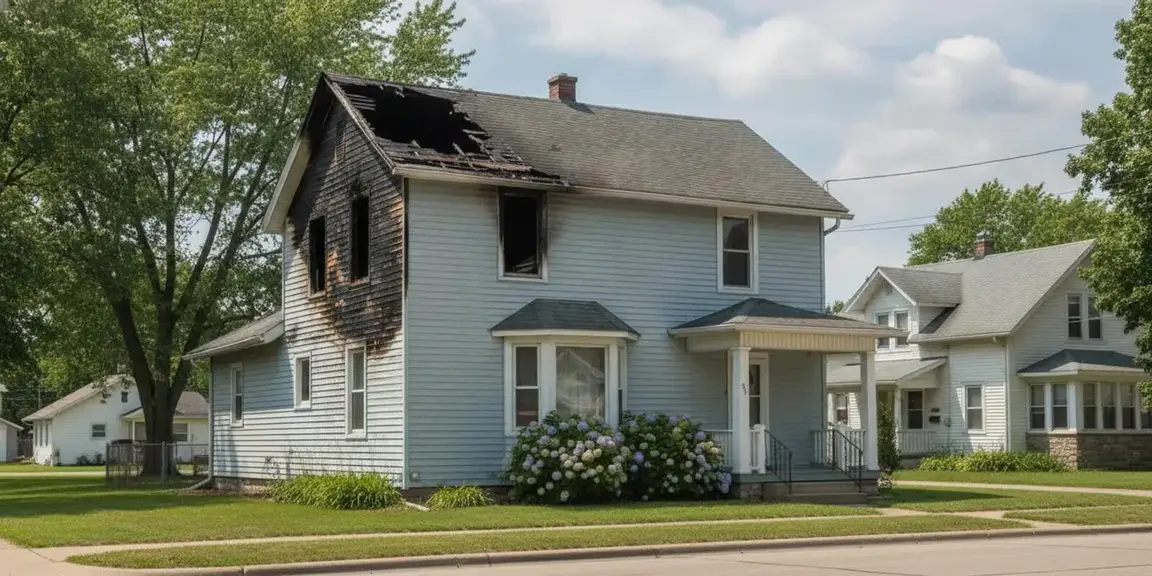

Can you sell a house that has fire damage in Michigan? Often, yes. A fire does not automatically make a property impossible to sell, but the damage, safety concerns, insurance claim, mortgage, and local requirements can affect how and when a sale can happen. Start by documenting what you know and avoiding cleanup or repairs that could create a safety risk.
Discuss your fire-damaged property
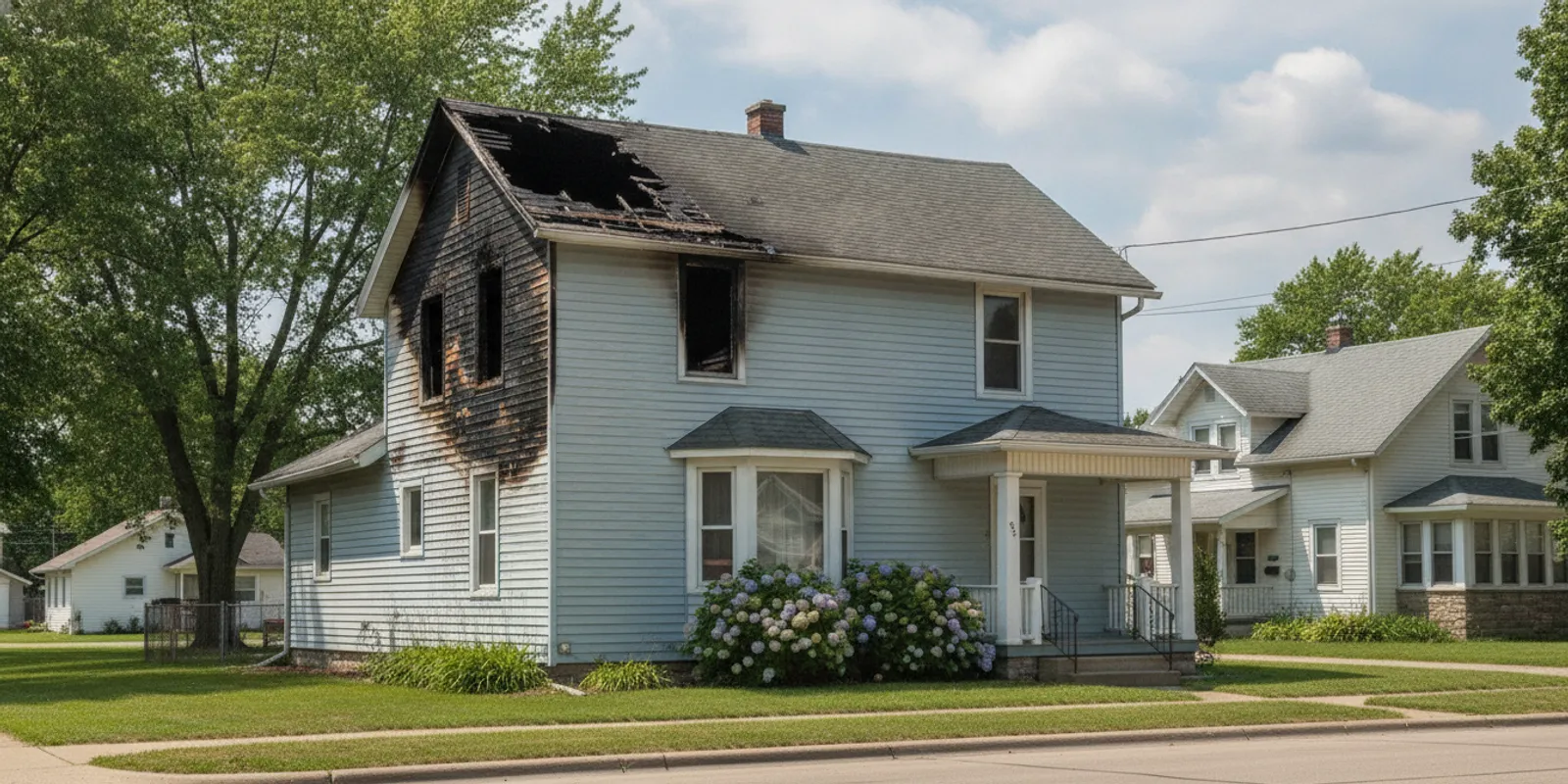
What determines whether a fire-damaged house can be sold?
A sale depends on more than whether the house looks badly damaged. A buyer, insurer, lender, title company, and local building officials may each need different information. The extent of damage can range from smoke odor and damaged finishes to a compromised roof, framing, electrical system, or foundation. The cause and location of the fire matter, too.
There is no single condition that decides every case. Some owners sell after repairs. Others sell while an insurance claim is open or before repairs begin. A property may also be sold in its current condition, provided the parties understand the condition and the transaction can meet legal, title, and safety requirements.
Before making plans, separate immediate safety questions from sale decisions. Do not enter a structure that fire officials or another qualified professional have deemed unsafe. Ask the fire department, insurer, or qualified building professional what access is permitted. If utilities were shut off or damaged, do not turn them back on yourself.
The National Fire Protection Association publishes research on home structure fires, including information about fires involving wiring. Such national research is useful background, but it cannot determine whether a specific home is safe or what repairs it needs. For general fire data, see the NFPA home structure fire research.
What should you do first after a house fire?
Keep the first steps practical. Preserve information, follow official safety instructions, and avoid making decisions based on a quick visual estimate. A few organized records can help an insurer, contractor, attorney, or prospective buyer understand what happened.
- Follow the safety direction you were given. Keep out of restricted areas. Ask the fire department or building official whether the home can be entered and whether any areas are off limits. If there is a concern about structural stability, electrical hazards, gas, or contamination, get qualified guidance before entering.
- Contact your insurance company. Ask how to report damage, what documentation it needs, and whether an adjuster must inspect the property before debris is moved or repairs start. Keep copies of claim communications and note dates, names, and next steps.
- Photograph what you can safely access. Take wide views and close-ups of affected areas, and keep the original files. Do not put yourself at risk to get a picture. Save fire department paperwork, contractor assessments, temporary housing receipts, and other records related to the event.
- Secure the property only as directed. Ask the insurer and relevant professionals what temporary measures are appropriate. Board-up work, tarp placement, water mitigation, or debris removal may affect evidence, insurance handling, or later inspections.
- Gather ownership and loan information. Find the deed, mortgage or loan statements, property tax information, and any documents about co-owners or an estate. If the home is jointly owned or inherited, confirm who has authority to make decisions.
If you are trying to understand the direct-sale process, M1’s overview of how a house purchase works can help you prepare questions. It does not replace an insurance, legal, or building assessment.
How can insurance and a mortgage affect the sale?
An insurance claim and a home sale are related, but they are not the same transaction. A claim can remain unresolved when an owner begins exploring a sale. Ask the insurer how a transfer of ownership would affect the claim, who may receive any payment, and what paperwork is required. Do not assume that an insurance payment automatically transfers to a buyer or that a buyer will take over your claim.
Keep a record of the claim status, deductible, adjuster visits, estimates, and any payments or repair authorizations. If work has started, preserve invoices, permits, warranties, and contractor contact details. If the insurer has not completed its review, ask before removing damaged materials that may need to be inspected. When there is a disagreement about coverage or payment, consult a qualified insurance professional or attorney rather than relying on a buyer’s interpretation.
If there is a mortgage or other lien on the property, contact the lender or loan servicer before signing a sale agreement. The loan generally must be addressed as part of closing, and the lender may have requirements concerning insurance proceeds or repairs. If payments are difficult after the fire, ask the servicer what options and deadlines apply. Do not assume that a sale will erase a balance or that a buyer can resolve a loan without the lender’s payoff information.
Owners should also identify any tax liens, court orders, probate matters, or co-owner approvals that could affect transfer of title. These issues may not prevent a sale, but they can change who must sign and how long closing takes. If title or authority is uncertain, ask a real estate attorney or title professional to review the situation before setting a closing date.
What information should you disclose to a buyer?
Be accurate about what you know. A potential buyer should not be left to discover a known fire, damage, repair, or insurance issue after agreeing to purchase. Disclosure forms and legal duties can depend on the property, the seller, the facts, and the type of transaction. Review the requirements that apply to your situation with a Michigan real estate professional or attorney.
Prepare a simple written timeline: when the fire occurred, which areas were affected, what authorities or contractors inspected, what work was performed, and what remains unresolved. Include available photographs, reports, permits, insurance correspondence, invoices, and estimates. If a fact is not confirmed, label it as unknown rather than presenting a guess as a conclusion.
Do not describe the house as safe, repaired, or free of a hazard unless you have a reliable basis for that statement. Smoke, soot, water used to extinguish the fire, and damage behind walls can require investigation beyond what is visible. A buyer may arrange inspections, but the seller should not conceal known information or interfere with an agreed inspection.
For a broader overview of selling a property in its present condition, read M1’s page about selling a house as-is in Metro Detroit. As-is describes an approach to the property’s condition; it does not remove applicable disclosure duties or settle insurance, title, or safety questions.
Should you repair the house or sell it as-is?
There is no universal answer. Repairs may make a conventional listing possible or improve how buyers respond, but they can require time, money, contractor availability, permits, and insurance coordination. Selling without completing repairs can reduce the work you must manage, but buyers may account for uncertainty and repair costs when deciding whether to proceed.
| Option | What you may need to do | Potential considerations |
|---|---|---|
| Repair, then list | Coordinate assessments, insurance, contractors, permits where required, and a listing plan. | May widen the pool of buyers, but involves upfront coordination, expense, and an uncertain timeline. |
| List in current condition | Document known damage, provide required disclosures, and work with an agent on marketing and access. | Buyers may seek inspections, financing, or additional time; the property’s condition can affect interest. |
| Explore a direct as-is sale | Share accurate property details, review a written agreement, and confirm the buyer’s ability and proposed timeline. | Can reduce repair and showing work, but compare the terms, deductions, contingencies, and closing costs carefully. |
This table is a starting point, not a promise about what a particular buyer will accept. For a fair comparison, consider likely net proceeds rather than a headline sale amount. Write down expected repair and cleanup costs, professional fees, carrying costs, commissions if applicable, closing costs, and any loan or lien payoff. Then compare the timing, work, and uncertainty attached to each path.
If you want to consider a direct purchase, provide a clear description of the fire and any reports you have. M1 Home Buyers works with damaged houses, but the property and transaction details matter. You can learn more about selling a damaged house in Metro Detroit and compare those terms with a listing plan. Do not rely on a verbal summary alone; review the written agreement and ask questions before signing.
How do you compare a direct sale with a listing?
Compare the full process, not just the first number or suggested timeline. Ask who pays which costs, whether the buyer expects you to remove contents, what inspections may occur, whether there are financing or other contingencies, and what conditions could change or cancel the agreement. Confirm the proposed closing date, who selects the title or closing company, and how the loan payoff and insurance claim will be handled.
For a listing, ask an agent how fire damage may affect buyer financing, insurance availability, showings, inspections, and required disclosures. For a direct sale, ask the buyer what information it needs, how it evaluates the property’s condition, and whether the purchase depends on inspection, partner approval, or resale. Request a written explanation of fees and responsibilities. A careful comparison can reveal tradeoffs that a simple price comparison misses.
M1’s guide to selling to an investor versus listing with an agent covers general differences between the two routes. Use it as a checklist for questions, then verify that the specific terms you are considering are written in the relevant agreement.
What practical steps can you take this week?
If the immediate emergency is over, use this checklist to move forward without rushing a decision:
- Confirm whether the property can be entered and identify any areas that remain unsafe.
- Ask the insurer what evidence or inspection it still needs and what work should wait.
- Collect the deed, mortgage details, insurance claim documents, photos, estimates, and reports in one folder.
- Write down damage that is confirmed, damage that is suspected, and questions that remain unanswered.
- Check who owns the property and whether all owners or an estate representative must participate.
- Speak with a real estate agent, qualified contractor, attorney, or title professional as appropriate to your questions.
- Compare at least the relevant sale paths using net proceeds, timing, required work, contingencies, and responsibilities.
- Read every written agreement carefully and make sure it accurately reflects the condition and agreed terms.
For homes in Oakland, Wayne, and Macomb counties, M1’s service-area information can help you check whether your location is within its stated area. If you are not ready to discuss a sale, the home seller FAQ is another place to review general questions.
Ask M1 about your selling options
Frequently asked questions
Can I sell the house before insurance finishes its investigation?
You may be able to explore a sale, but do not assume that a pending claim can be transferred or that a sale has no effect on it. Ask your insurer what steps and approvals apply, and get legal or insurance guidance if ownership or payment rights are unclear. Tell prospective buyers that the claim is still open.
Do I have to repair fire damage before selling?
Not necessarily. Some owners repair first, while others consider selling in the home’s current condition. The buyer, local requirements, safety issues, insurance terms, and sale contract can affect what is feasible. An as-is approach does not excuse required disclosures or make an unsafe building safe.
Can I sell if the house is not safe to enter?
A property may still be considered for sale, but access and inspections must follow safety restrictions. Share official notices and assessments with professionals involved in the transaction. Do not invite a buyer or contractor into a restricted structure without clearance.
What if I still owe a mortgage?
Tell the lender or servicer that the home was damaged and ask how the loan and any insurance proceeds must be handled. A closing professional will need accurate payoff and lien information. Whether sale proceeds are enough to resolve the debt depends on the actual loan balance and transaction details.
Talk through the next step
A fire-damaged home can have a path to sale, but the right route depends on details that are specific to the property and its owners. Gather records, protect your safety, confirm how insurance and title issues affect the plan, and compare written options before deciding. If the home is in Metro Detroit, you can contact M1 Home Buyers to discuss the property and determine whether a direct-sale conversation makes sense.